


Introduction
The phrase ickenham travel collapse administration has quickly become a topic of concern for travelers, industry professionals, and anyone planning a holiday. What seemed like a stable, long-standing travel company suddenly ceased operations, leaving thousands of customers uncertain about their bookings and future plans.
This article explores the full picture behind the collapse. Not just what happened, but why it happened, who was affected, and what lessons can be learned from it. If you’ve been searching for clarity, this is where everything comes together in a clear and human way.
BIO
| Topic | Quick Info |
|---|---|
| Company Name | Ickenham Travel Group |
| Industry | Travel and Tourism |
| Founded | 1970 |
| Years in Operation | Over 50 years |
| Collapse Type | Administration / Liquidation |
| Key Event Date | November 2025 |
| Main Issue | Financial instability and market pressure |
| Customer Impact | Bookings disrupted, refunds uncertain |
| Employee Impact | Job losses and uncertainty |
| Protection Scheme | ATOL (for eligible bookings) |
| Process Involved | Asset management and debt handling |
| Current Status | Ceased trading |
| Key Lesson | Always check financial protection before booking |
What Is Ickenham Travel Collapse Administration?
At its core, ickenham travel collapse administration refers to the process where the company stopped trading and entered formal insolvency proceedings. In simple terms, the business could no longer meet its financial obligations and had to shut down under regulatory oversight.
Ickenham Travel Group was not a small or unknown agency. It was a UK-based travel company with roots going back to 1970, operating for more than five decades and building a loyal customer base.
Over time, the company expanded beyond a single high street agency into multiple branches and online platforms, offering everything from package holidays to destination-specific deals.
When the collapse happened, it wasn’t just a business closing. It was the sudden end of a long-standing brand that many travelers trusted.
Timeline of Events
Understanding the timeline helps explain why the situation felt so abrupt.
The company had been operating normally until late 2025, with no major public warning signs. Then, on 20 November 2025, the UK Civil Aviation Authority (CAA) confirmed that Ickenham Travel Group had ceased trading as an ATOL license holder.
This announcement marked a critical turning point. Once the ATOL license was no longer valid, the company could no longer legally sell package holidays involving flights.
Shortly after, the company officially entered liquidation, ending its 55-year journey in the travel industry.
For customers, the speed of events made it feel like the company disappeared overnight.
Why Did Ickenham Travel Collapse?
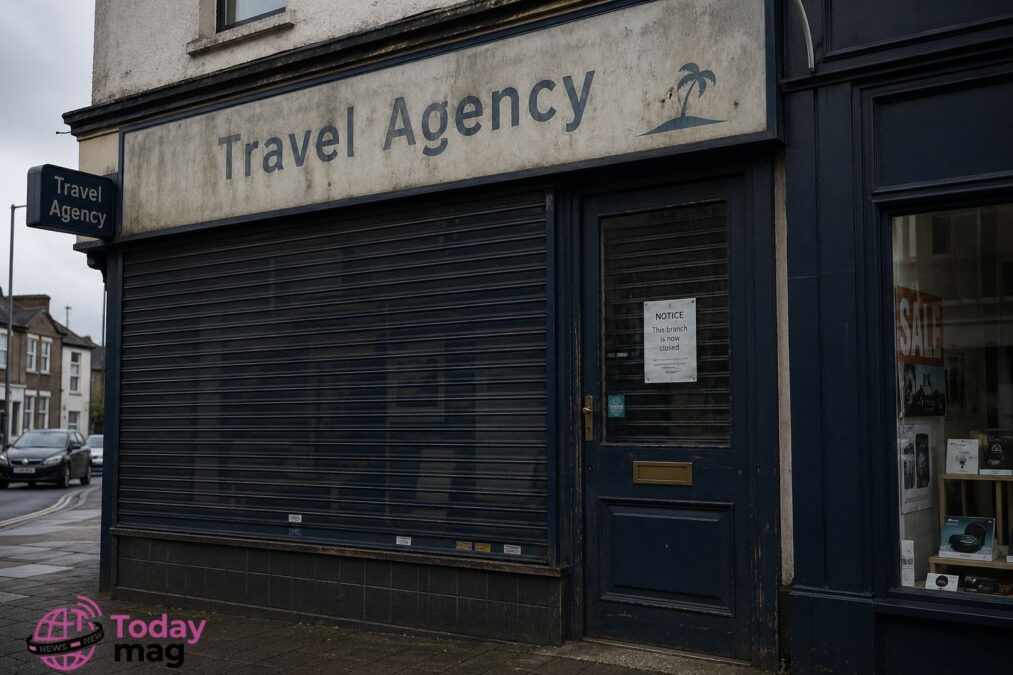
The ickenham travel collapse administration didn’t happen because of one single issue. Like many business failures, it was likely the result of several overlapping pressures.
One of the biggest factors was the changing travel market. The industry has been under stress for years, especially after the pandemic disrupted global travel and changed customer behavior.
Financial instability also appears to have played a role. Reports suggest the company struggled to maintain the cash flow needed to keep operations running, especially while trying to compete in a highly digital and price-sensitive market.
There were also broader economic pressures. Rising costs, fluctuating demand, and increased competition from online travel platforms made it harder for traditional agencies to survive.
Another key issue was structural complexity. Ickenham Travel operated under multiple brands and websites, which can increase operational costs and make financial management more difficult.
In short, the collapse wasn’t sudden in reality. It was the result of long-term pressure building behind the scenes.
Who Was Affected by the Collapse?
The impact of the ickenham travel collapse administration extended far beyond the company itself.
First, customers were directly affected. Thousands of people had bookings at different stages, from upcoming holidays to partially completed travel plans.
Employees were also affected. A business that had operated for over 50 years employed staff across multiple locations, all of whom suddenly faced uncertainty.
Suppliers and partners were another group caught in the middle. Hotels, airlines, and local service providers often rely on payments from travel agencies, and disruptions can create a ripple effect across the industry.
Finally, the wider travel market felt the impact. Each collapse adds to concerns about stability in the sector and reduces consumer confidence.
What Happens During Administration?
Administration, or liquidation in this case, is a legal process designed to handle a company that can no longer continue.
When a travel company like Ickenham enters administration, independent professionals take control of the business. Their role is to assess assets, handle debts, and determine whether any part of the company can be saved or sold.
For customers, the most important aspect is protection. In the UK, many package holidays are covered under ATOL (Air Travel Organisers’ Licensing), which provides financial protection for flight-inclusive bookings.
This means some travelers may be eligible for refunds or assistance, depending on their booking type.
However, not all bookings are protected. This is where things can become complicated, especially for customers who booked services separately.
What Customers Should Do Now
If you were affected by the ickenham travel collapse administration, the situation can feel overwhelming. But there are clear steps to follow.
Start by checking your booking details. Identify whether your trip was ATOL-protected, as this determines your eligibility for refunds or assistance.
If your booking included flights and was covered, you may still be able to travel or claim compensation. In some cases, flights remain valid, but other services like accommodation may need to be rebooked. (The Sun)
For non-protected bookings, options may include contacting your bank for a chargeback or reviewing your travel insurance policy.
It’s also important to stay updated with official guidance from regulators, as processes can take time and evolve as the situation develops.
Lessons from the Ickenham Travel Collapse
The collapse offers important lessons for both consumers and the travel industry.
One key takeaway is the importance of financial protection. Booking through companies with proper licensing and coverage can make a huge difference if something goes wrong.
Another lesson is awareness. Even long-standing companies are not immune to failure. Ickenham Travel had decades of history, yet still faced challenges that led to its closure.
Consumers should also consider diversifying their bookings. Relying on a single provider for flights, hotels, and transfers can increase risk.
Finally, the situation highlights how quickly the travel industry can change. Economic conditions, global events, and technology continue to reshape how travel businesses operate.
Expert Insights and Industry Reactions
Industry observers have pointed out that the ickenham travel collapse administration is part of a broader trend.
In recent years, multiple travel companies have struggled or collapsed due to similar pressures. Rising costs, changing customer expectations, and intense competition have created a challenging environment.
Experts also note that traditional travel agencies face a difficult balancing act. They must compete with online platforms while maintaining personalized service, which often comes at a higher cost.
For many in the industry, the collapse is not just about one company. It’s a reflection of deeper structural changes in how travel is bought and sold.
What Happens Next?
The future after the ickenham travel collapse administration remains uncertain.
In some cases, parts of a collapsed company can be sold or restructured. However, when a business fully enters liquidation, it often means the brand will not continue in its original form.
For customers, the focus remains on resolving bookings and claims. For the industry, attention shifts to how similar situations can be avoided in the future.
The long-term impact may include tighter regulations, increased consumer awareness, and continued transformation of the travel sector.
FAQs
Which UK travel company has recently gone bust?
Several UK travel companies have faced financial collapse in recent years, including Ickenham Travel Group. Its closure under administration reflects ongoing challenges in the travel sector, especially after global disruptions and rising costs.
What happened to Thomas Cook in the UK?
Thomas Cook, one of the UK’s oldest travel companies, collapsed in September 2019 after failing to secure emergency funding. The collapse stranded over 150,000 British travelers abroad and led to one of the largest repatriation efforts in UK history.
Which UK airline has gone into liquidation?
A notable example is Flybe, a regional airline that entered administration in 2020 and again in 2023 after struggling with financial pressures. Its collapse highlighted how difficult it is for smaller airlines to survive in a competitive market.
Which British airline is going into administration?
Airlines facing financial trouble can enter administration when they can no longer sustain operations. While major airlines remain stable, smaller or regional carriers are more vulnerable due to rising fuel costs, reduced demand, and operational challenges.
Will AirBlue fly to the UK?
As of now, AirBlue does not operate direct flights to the UK. Expansion into UK routes would depend on regulatory approvals, demand, and fleet capability, so travelers should check official airline announcements for any updates..
Conclusion
The story behind ickenham travel collapse administration is not just about one company closing. It reflects the realities of a changing travel industry, where even established businesses can struggle under pressure.
For travelers, the situation is a reminder to stay informed and protected. For the industry, it highlights the need for adaptability and resilience.
In the end, while the collapse has caused disruption and uncertainty, it also offers valuable lessons that can help shape smarter decisions in the future.
