

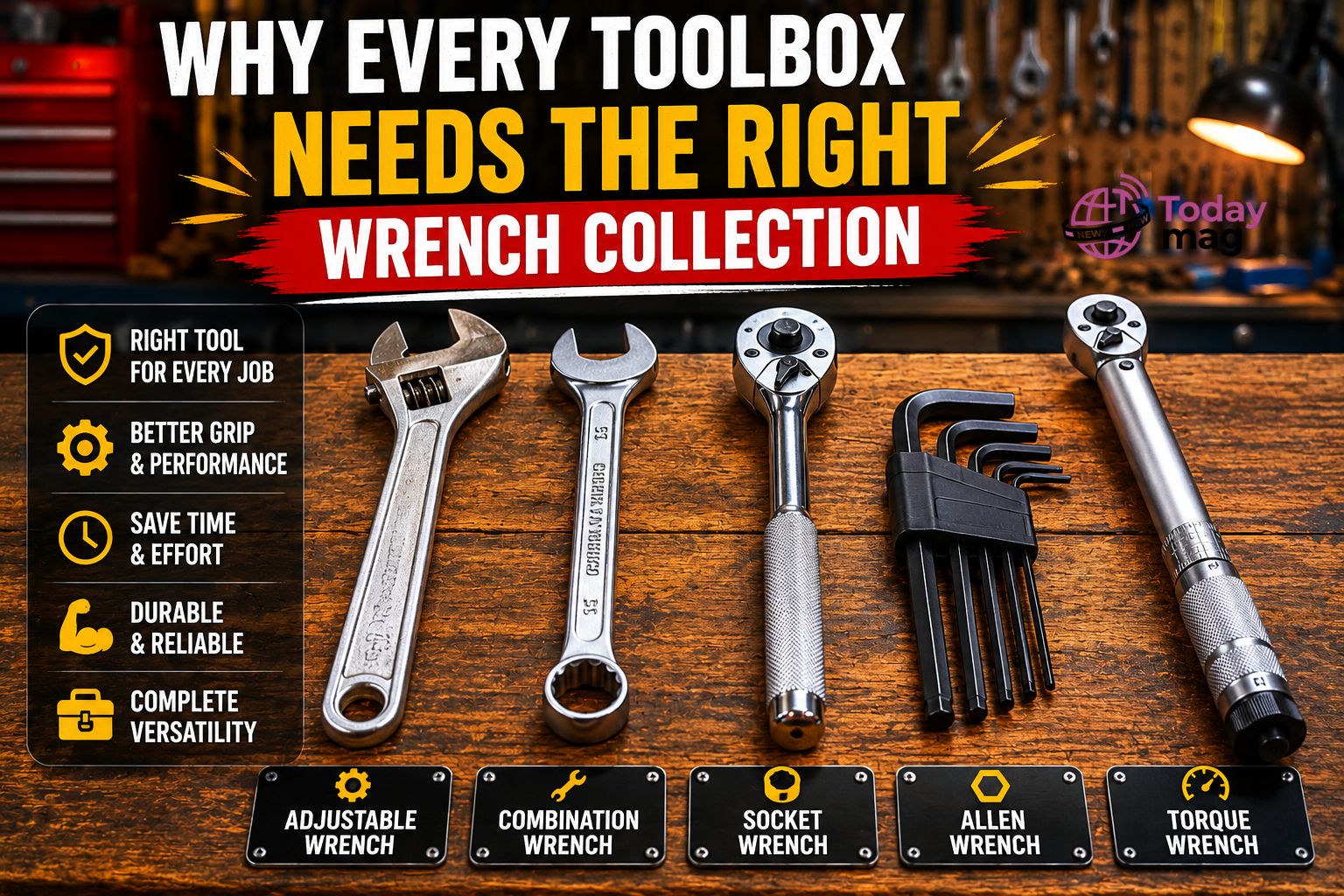
A well-equipped toolbox is more than just a collection of tools. It is a practical investment that helps homeowners, DIY enthusiasts, mechanics, and professionals complete tasks efficiently and safely. Among all hand tools, the wrench stands out as one of the most important. Whether you are assembling furniture, repairing a vehicle, fixing plumbing issues, or maintaining machinery, the right wrench can make the difference between a simple repair and a frustrating experience.
Many people keep a single adjustable wrench in their toolbox and assume it is enough for every task. While an adjustable wrench is useful, it cannot replace the functionality and precision of a complete wrench collection. Different fasteners require different wrench types and sizes, and using the wrong tool can lead to damaged equipment, stripped bolts, and unnecessary expenses.
A carefully selected wrench collection provides versatility, efficiency, and confidence. It ensures that you are prepared for a wide range of projects without compromising safety or performance.
Quick Bio
| Label | Information |
|---|---|
| Topic | Wrench Collection |
| Tool Type | Hand Tool |
| Main Purpose | Tighten and loosen fasteners |
| Common Uses | Repairs and maintenance |
| Key Benefit | Better efficiency and control |
| Essential Tool | Adjustable Wrench |
| Popular Type | Combination Wrench |
| Advanced Option | Torque Wrench |
| Typical Users | DIYers and professionals |
| Fastener Support | Nuts, bolts, and fittings |
| Material | Chrome vanadium steel |
| Maintenance | Clean, dry, and organized storage |
| Toolbox Value | Versatility for many projects |
What Is a Wrench?
A wrench is a hand tool designed to provide grip and leverage for tightening or loosening nuts, bolts, and other fasteners. Wrenches come in various shapes and sizes, each created for specific applications.
The basic principle behind a wrench is simple. By increasing leverage, it allows users to apply greater force than they could with their hands alone. This makes it possible to secure or remove fasteners that would otherwise be difficult to handle.
From home maintenance to industrial manufacturing, wrenches are used in countless settings. Their importance has remained unchanged for generations because they continue to be one of the most reliable and practical tools available.
Why Wrenches Matter
Every repair project involves some type of fastening system. Furniture, bicycles, vehicles, plumbing fixtures, machinery, and appliances all rely on nuts and bolts to keep components secure.
Without the proper wrench, even the simplest repair can become challenging. A correctly sized wrench grips fasteners firmly, reducing the risk of slipping and preventing unnecessary wear.
The right wrench also improves efficiency. Tasks can be completed faster, with less effort and greater accuracy. This is particularly important when working on complex mechanical systems where precision is essential.
For professionals, reliable wrenches are a daily necessity. For homeowners, they are equally valuable because unexpected repairs can happen at any time.
Understanding Different Types of Wrenches
The term “wrench” covers a wide range of tools. Each type is designed for specific situations and offers unique advantages.
Adjustable Wrenches
Adjustable wrenches feature a movable jaw that allows the tool to fit different fastener sizes. This versatility makes them a popular choice for general repairs and maintenance tasks.
They are convenient because a single tool can handle multiple sizes. However, adjustable wrenches may not provide the same level of grip and precision as fixed-size alternatives.
Combination Wrenches
Combination wrenches are among the most common tools found in professional and household toolboxes. One end features an open jaw, while the opposite end includes a closed box design.
This combination allows users to switch between speed and strength. The open end works well in tight spaces, while the box end provides a more secure grip for stubborn fasteners.
Socket Wrenches
Socket wrenches use interchangeable sockets to fit different bolt sizes. They are often paired with a ratchet mechanism that allows continuous turning without removing the tool.
This design significantly improves efficiency and makes socket wrenches ideal for automotive repairs and mechanical work.
Allen Wrenches
Allen wrenches, also known as hex keys, are designed for hexagonal socket screws. They are commonly included with furniture, bicycles, electronics, and machinery.
Although simple in appearance, Allen wrenches are essential for many modern assembly and maintenance tasks.
Torque Wrenches
Torque wrenches are specialized tools that allow users to apply a specific amount of force when tightening fasteners.
They are particularly important in automotive and industrial settings where over-tightening or under-tightening can cause serious problems. Proper torque ensures safety, reliability, and long-term performance.
Specialty Wrenches
Some tasks require specialized tools that standard wrenches cannot handle effectively.
Pipe wrenches are commonly used in plumbing applications. Basin wrenches help reach difficult locations beneath sinks. Flare nut wrenches are designed to grip delicate fittings without causing damage.
Having access to specialty wrenches can save considerable time and prevent costly mistakes.
Why One Wrench Is Never Enough
Many people underestimate the variety of fasteners used in everyday equipment. Different sizes, shapes, and applications require different tools.
A single wrench may work for one task but prove ineffective for another. Using an oversized wrench can damage bolt corners, while an undersized tool simply will not fit.
Mechanical systems often include both metric and standard fasteners. Without a complete wrench collection, users may struggle to find the proper fit.
In addition, work environments vary greatly. Tight spaces, awkward angles, and hard-to-reach locations frequently require specialized wrench designs. The right tool ensures better access and greater control.
This is why experienced professionals rarely rely on a single wrench. Instead, they maintain a collection that prepares them for virtually any situation.
Benefits of a Complete Wrench Collection
A complete wrench collection provides several important advantages.
The first benefit is efficiency. When the correct wrench is immediately available, repairs can be completed faster and with less frustration.
The second benefit is safety. Properly fitting tools reduce slipping and help prevent injuries caused by sudden tool movement.
Another major advantage is protection for equipment. Fasteners remain in good condition when the correct wrench is used, reducing the likelihood of stripped bolts and damaged components.
A complete collection also saves money over time. Instead of purchasing tools during emergencies, users already have what they need for routine maintenance and unexpected repairs.
Finally, a diverse wrench collection increases versatility. Whether working on a bicycle, automobile, appliance, or plumbing fixture, the right tool is always within reach.
Essential Wrenches Every Toolbox Should Include
Building a practical wrench collection does not require purchasing every tool available. Instead, focus on creating a balanced set that covers the most common applications.
A quality adjustable wrench should be included in every toolbox. Its versatility makes it useful for general-purpose tasks.
A combination wrench set is equally important. Having multiple sizes ensures compatibility with a wide variety of fasteners.
An Allen wrench set is essential because many household products and modern equipment rely on hex screws.
A socket wrench set offers speed and convenience for automotive repairs and mechanical projects.
For users who frequently work on vehicles or machinery, a torque wrench is a valuable addition that improves accuracy and safety.
Over time, specialty wrenches can be added based on individual needs and project requirements.
Choosing High-Quality Wrenches
Not all wrenches are created equal. Quality tools deliver better performance, last longer, and provide greater reliability.
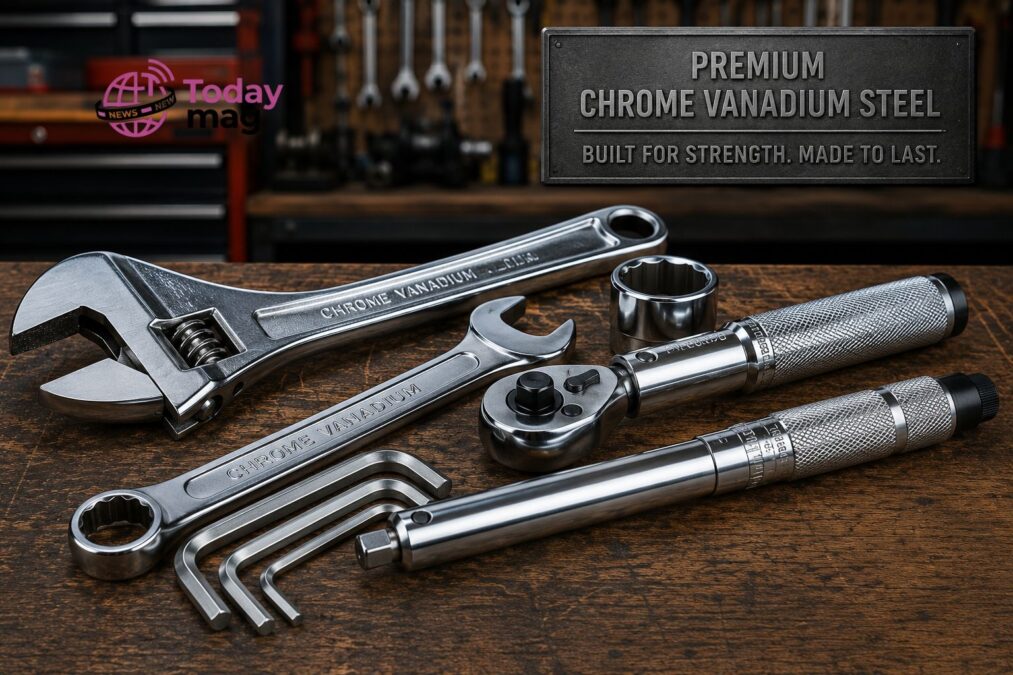
One of the most important factors to consider is material quality. Many premium wrenches are manufactured from chrome vanadium steel or similar alloys known for strength and durability.
Corrosion resistance is another important feature. Protective finishes help prevent rust and extend tool life, especially in humid environments.
Comfort should also be considered. Ergonomic designs reduce hand fatigue during extended use and improve overall control.
Brand reputation can provide valuable insight into quality and reliability. Established manufacturers often back their products with warranties, giving buyers additional confidence in their investment.
Proper Care and Maintenance
Even the best wrench collection requires proper maintenance.
After each use, tools should be cleaned to remove dirt, grease, and moisture. This simple habit helps prevent corrosion and keeps tools functioning smoothly.
Storage is equally important. Wrenches should be organized in a toolbox, drawer, or wall-mounted rack to prevent damage and make them easy to locate.
Regular inspections can identify signs of wear, cracks, or deformation before they become safety hazards.
With proper care, high-quality wrenches can remain reliable for decades, making them one of the most cost-effective investments for any toolbox.
Frequently Asked Questions
1. Why is a complete wrench collection important?
A complete wrench collection helps you handle different repair and maintenance tasks with ease. Having the right wrench improves efficiency, safety, and accuracy while reducing the risk of damaging nuts and bolts.
2. What is the most versatile type of wrench?
An adjustable wrench is often considered the most versatile because it can fit various fastener sizes. However, for maximum precision and grip, fixed-size wrenches are usually the better choice.
3. Should I buy metric or SAE wrenches?
If possible, it is best to own both. Many modern vehicles and appliances use metric fasteners, while some equipment and older machinery may require SAE sizes.
4. How many wrenches should a basic toolbox include?
A basic toolbox should include an adjustable wrench, a combination wrench set, and an Allen wrench set. These tools can handle most common household repairs and DIY projects.
5. How do I maintain my wrench collection?
Keep your wrenches clean and dry after use, store them in an organized toolbox, and inspect them regularly for wear or damage. Proper maintenance can help quality wrenches last for many years.
