

Introduction
The workplace is evolving faster than ever before. Traditional offices built around fixed schedules, paper-based systems, and face-to-face meetings are being replaced by flexible, technology-driven environments where collaboration, efficiency, and employee wellbeing play a central role. Businesses now operate across multiple locations, with employees working from offices, homes, and even different countries.
As organizations embrace hybrid work, artificial intelligence, and cloud-based collaboration, managing people and daily operations has become more challenging. Companies need smarter strategies that improve communication, streamline workflows, and help employees stay productive without feeling overwhelmed.
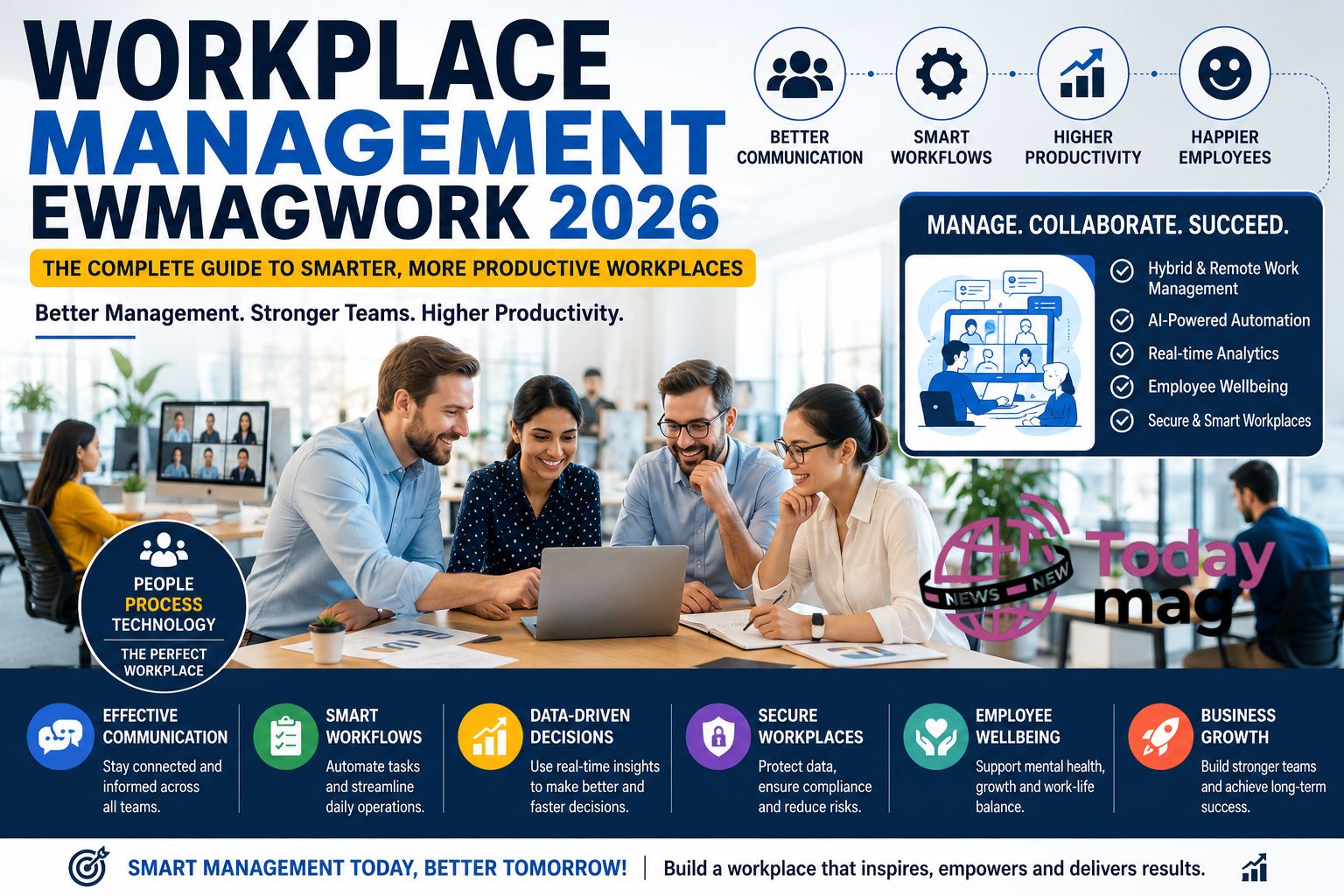
This is where Workplace Management EWMagWork becomes increasingly important. It represents a modern approach to workplace management that combines technology, leadership, and employee-focused strategies to create efficient, connected, and high-performing workplaces. Instead of simply supervising employees, businesses now focus on creating systems that encourage teamwork, improve productivity, and support long-term growth.
Whether you own a small business, manage a growing startup, or lead a large enterprise, understanding Workplace Management EWMagWork can help you build a workplace that is prepared for the future.
Quick Overview
| Information | Details |
|---|---|
| Article Title | Workplace Management EWMagWork 2026: The Complete Guide to Smarter, More Productive Workplaces |
| Focus Keyword | Workplace Management EWMagWork |
| Category | Business |
| Search Intent | Informational |
| Target Audience | Business Owners, HR Professionals, Managers, Team Leaders |
| Reading Time | 12–14 Minutes |
| Last Updated | July 2026 |
What Is Workplace Management EWMagWork?
Workplace Management EWMagWork refers to a modern framework for organising workplaces, managing teams, improving communication, and increasing overall business efficiency. It combines digital technologies, smart workflows, and employee-focused management practices to help organisations operate more effectively in today’s fast-changing business environment.
Unlike traditional workplace management, which mainly focused on attendance, supervision, and office administration, today’s approach is centred on flexibility, collaboration, automation, and employee experience.
Modern businesses require systems that allow employees to work seamlessly whether they are in the office, working remotely, or following a hybrid schedule. Workplace Management EWMagWork helps organisations create that balance by improving communication, reducing operational bottlenecks, and supporting better decision-making.
Why Workplace Management Matters in 2026
The way people work has changed dramatically over the last few years. Digital transformation, artificial intelligence, and remote collaboration have reshaped almost every industry.
Today’s employees expect:
- Flexible working arrangements
- Better communication
- Faster access to information
- Modern collaboration tools
- Healthy work-life balance
- Opportunities for professional growth
At the same time, businesses are expected to deliver faster results while managing increasingly complex operations.
Without an effective workplace management strategy, organisations often experience:
- Communication breakdowns
- Missed deadlines
- Reduced employee engagement
- Inefficient workflows
- Lower productivity
- Higher employee turnover
Workplace Management EWMagWork addresses these challenges by creating organised systems that improve coordination, simplify daily tasks, and encourage stronger collaboration across teams.
The Evolution of Modern Workplaces
The workplace has undergone one of the biggest transformations in business history.
A decade ago, most employees worked in fixed office locations using desktop computers, printed documents, and scheduled meetings. Managers supervised teams directly, while communication relied heavily on emails and face-to-face discussions.
Today, workplaces are powered by digital technology.
Modern organisations use:
- Cloud-based collaboration platforms
- AI-powered productivity tools
- Video conferencing software
- Project management systems
- Instant messaging applications
- Digital document management
- Automated workflows
Employees can now work from virtually anywhere while remaining connected to colleagues and business systems.
Although this flexibility improves convenience and employee satisfaction, it also creates new management challenges. Businesses need structured systems to ensure communication remains clear, projects stay organised, and employees remain engaged regardless of where they work.
Core Objectives of Workplace Management EWMagWork
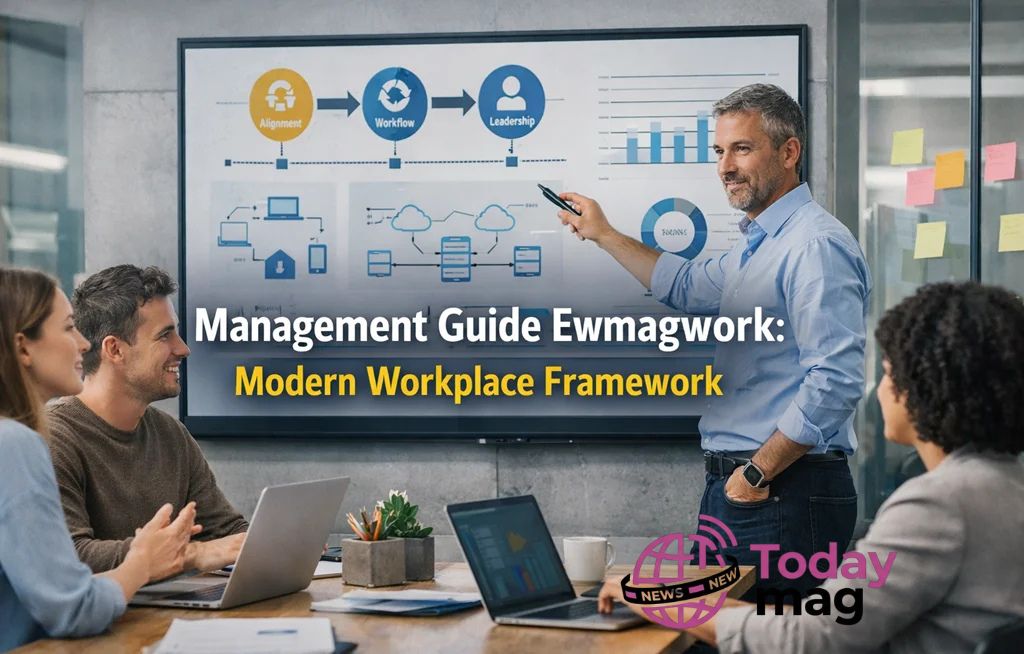
A successful workplace management strategy focuses on several key objectives that benefit both employees and organisations.
Improve Communication
Strong communication is the foundation of every successful workplace.
Employees need quick access to accurate information, project updates, and company announcements. Organised communication reduces misunderstandings, prevents delays, and helps teams work together more effectively.
Increase Workplace Productivity
Productivity is no longer measured by the number of hours employees spend at their desks.
Modern businesses focus on helping employees complete meaningful work efficiently.
Workplace Management EWMagWork improves productivity by:
- Streamlining workflows
- Automating repetitive tasks
- Reducing unnecessary meetings
- Organising digital resources
- Improving project visibility
When employees spend less time dealing with administrative issues, they can focus on higher-value work.
Enhance Employee Experience
Employee satisfaction has become a competitive advantage for businesses.
Companies that invest in employee wellbeing often experience:
- Higher engagement
- Better retention
- Improved morale
- Stronger workplace culture
- Increased innovation
Modern workplace management encourages flexible working, career development, mental health support, and balanced workloads to create a positive work environment.
Strengthen Team Collaboration
Collaboration has become essential for business success.
Teams often include employees working from different cities or countries, making digital collaboration more important than ever.
Workplace Management EWMagWork supports collaboration through:
- Shared workspaces
- Cloud document management
- Real-time communication
- Project tracking systems
- Collaborative planning tools
These solutions keep teams connected while improving efficiency.
Key Features of Workplace Management EWMagWork
Modern workplace management combines technology with practical leadership.
Some of its most valuable features include:
- Smart workflow automation
- Digital communication platforms
- Employee scheduling systems
- AI-powered productivity tools
- Cloud-based collaboration
- Workplace analytics
- Resource management
- Performance tracking
- Secure document storage
- Business intelligence reporting
Together, these features help organisations improve operational efficiency while creating a better employee experience.
Benefits for Modern Businesses
Businesses implementing Workplace Management EWMagWork often experience measurable improvements, including:
- Increased operational efficiency
- Better employee engagement
- Faster project completion
- Improved communication across departments
- Reduced administrative workload
- Lower operational costs
- Better decision-making through data insights
- Greater adaptability in hybrid and remote work environments
These benefits enable organisations to remain competitive in an increasingly digital business landscape.
Hybrid and Remote Workplace Management
One of the biggest changes in the business world is the rapid adoption of hybrid and remote work. Many organisations now allow employees to work from home, in the office, or a combination of both. This flexibility improves work-life balance and helps businesses attract talented professionals from different locations.
However, managing a distributed workforce also presents new challenges. Teams may work in different time zones, communication can become fragmented, and project coordination becomes more difficult without proper systems.
Workplace Management EWMagWork helps businesses overcome these challenges by creating structured workflows, clear communication channels, and digital collaboration strategies that keep everyone connected regardless of where they work.
Successful hybrid workplaces typically rely on:
- Shared project management platforms
- Cloud-based file storage
- Video conferencing tools
- Instant messaging applications
- Digital calendars
- Employee scheduling systems
When these tools are combined with strong leadership, businesses can maintain productivity while giving employees the flexibility they value.
The Role of Artificial Intelligence in Workplace Management
Artificial Intelligence (AI) is transforming how businesses manage their workplaces. Instead of spending hours on repetitive administrative tasks, organisations can now automate many daily operations.
AI-powered workplace management systems help managers make faster decisions while improving overall efficiency.
Some common AI applications include:
- Smart scheduling
- Automated meeting reminders
- Employee performance insights
- Workflow optimisation
- HR process automation
- Customer service support
- Task prioritisation
- Predictive workforce planning
For example, AI can analyse employee workloads and recommend better task distribution, helping prevent burnout while improving productivity.
Rather than replacing employees, AI supports them by reducing repetitive work and allowing them to focus on higher-value responsibilities.
Workplace Analytics and Data-Driven Decisions
Modern organisations no longer rely on guesswork when managing their workforce.
Instead, they use workplace analytics to understand how employees collaborate, how projects progress, and where improvements can be made.
Workplace Management EWMagWork encourages businesses to make informed decisions using real-time workplace data.
Important workplace metrics include:
- Employee engagement
- Project completion rates
- Team collaboration
- Office occupancy
- Meeting effectiveness
- Resource utilisation
- Customer satisfaction
- Employee retention
By analysing these insights, organisations can identify operational problems early and make smarter business decisions.
Smart Automation Improves Efficiency
Automation has become one of the biggest drivers of workplace productivity.
Instead of manually completing repetitive administrative work, businesses now automate routine processes.
Examples include:
- Leave approvals
- Expense management
- Payroll processing
- Task assignments
- Report generation
- Employee onboarding
- Meeting scheduling
- Document approvals
Automation reduces human error while allowing employees to spend more time on strategic work.
Companies using automated workflows often complete projects faster and improve overall operational efficiency.
Cybersecurity in Modern Workplaces
As businesses become increasingly digital, cybersecurity has become a critical part of workplace management.
Employees now access company systems from laptops, mobile phones, tablets, and home networks. Without proper security policies, organisations face greater risks from cyberattacks, phishing scams, and data breaches.
A strong workplace management strategy should include:
- Multi-Factor Authentication (MFA)
- Secure cloud storage
- Password management policies
- Regular software updates
- Employee cybersecurity training
- Role-based access controls
- Data backup systems
Protecting company information is just as important as improving productivity.
Businesses that invest in cybersecurity build greater trust with both employees and customers.
Employee Experience Is Becoming a Business Priority
Today’s employees expect more than competitive salaries.
They also value:
- Flexible working arrangements
- Career development opportunities
- Mental health support
- Inclusive workplace culture
- Recognition programmes
- Modern technology
- Clear communication
- Professional growth
Workplace Management EWMagWork promotes a people-first approach where employee wellbeing is viewed as an important business investment rather than an expense.
Research consistently shows that engaged employees are more productive, more innovative, and more likely to remain with their employers.
Creating a positive employee experience also strengthens company reputation and helps attract top talent.
Common Workplace Challenges
Even with advanced technology, organisations still face several workplace management challenges.
Communication Gaps
Poor communication often leads to misunderstandings, duplicated work, and delayed projects.
Businesses should establish clear communication policies and encourage regular team updates.
Employee Burnout
Constant meetings, excessive workloads, and continuous digital communication can leave employees feeling exhausted.
Managers should promote healthy work-life balance and realistic workloads.
Resistance to Change
Some employees struggle when businesses introduce new technologies or workplace systems.
Providing training and involving employees in the change process helps improve adoption.
Technology Overload
Using too many workplace platforms can reduce productivity rather than improve it.
Businesses should choose simple, user-friendly tools that integrate well together.
Managing Hybrid Teams
Keeping office-based and remote employees equally engaged remains a challenge.
Regular virtual meetings, transparent communication, and equal access to resources help create a more inclusive workplace.
Best Strategies for Improving Workplace Efficiency
Businesses looking to strengthen Workplace Management EWMagWork should focus on practical improvements rather than unnecessary complexity.
Some proven strategies include:
- Set clear workplace goals
- Encourage transparent communication
- Invest in employee training
- Use AI responsibly
- Automate repetitive tasks
- Monitor workplace performance
- Support employee wellbeing
- Regularly review workplace policies
- Strengthen cybersecurity practices
- Promote collaboration across departments
Small improvements made consistently often produce the biggest long-term results.
The Future of Workplace Management EWMagWork
The future of workplace management is centred on flexibility, artificial intelligence, automation, and employee wellbeing. Businesses are no longer focused solely on increasing productivity they also want to create workplaces where employees feel engaged, supported, and motivated.
As technology continues to evolve, Workplace Management EWMagWork will become even more intelligent. AI-powered tools will help organisations predict staffing needs, automate repetitive tasks, optimise office space, and provide real-time insights into team performance.
In the coming years, successful companies will balance technology with human leadership. While automation can improve efficiency, trust, communication, and strong workplace culture will always remain essential.
Businesses that adapt to these changes early will be better prepared to compete in an increasingly digital world.
Emerging Workplace Trends in 2026
Several trends are shaping the future of modern workplaces.
AI-Powered Workforce Management
Artificial intelligence is becoming a valuable assistant for managers.
AI can:
- Predict workload demands
- Recommend better work schedules
- Analyse employee engagement
- Identify workflow bottlenecks
- Improve project planning
- Reduce repetitive administrative work
This allows leaders to spend more time supporting employees instead of managing paperwork.
Smart Offices
Modern offices are becoming more intelligent.
Smart workplace technology includes:
- Sensor-based meeting rooms
- Automated lighting systems
- Energy-efficient buildings
- Digital visitor management
- Smart desk booking
- Occupancy monitoring
These technologies improve both employee comfort and operational efficiency.
Employee Wellbeing Will Become a Core Business Strategy
Businesses increasingly recognise that healthy employees perform better.
Future workplace strategies will place greater emphasis on:
- Mental health programmes
- Flexible working hours
- Wellness initiatives
- Learning opportunities
- Career development
- Inclusive workplace culture
Companies investing in employee wellbeing often experience higher retention, stronger engagement, and improved productivity.
Sustainability in Workplace Management
Environmental responsibility is becoming part of workplace management.
Many organisations now focus on:
- Reducing paper usage
- Energy-efficient office spaces
- Remote work to lower commuting emissions
- Recycling programmes
- Sustainable office equipment
- Green workplace policies
Sustainability benefits both businesses and the environment while improving corporate reputation.
Expert Tips for Better Workplace Management
Organisations can strengthen Workplace Management EWMagWork by following these best practices:
Set Clear Expectations
Employees perform better when goals, responsibilities, and deadlines are clearly defined.
Encourage Open Communication
Create an environment where employees feel comfortable sharing ideas, concerns, and feedback.
Invest in Employee Training
Regular training helps teams adapt to new technologies and improve workplace skills.
Use Technology Wisely
Choose workplace tools that simplify work instead of making it more complicated.
Measure Performance Regularly
Monitor workplace metrics and continuously improve business processes based on real data.
Recognise Employee Achievements
Acknowledging employee success increases motivation and strengthens workplace culture.
Frequently Asked Questions (FAQs)
What is Workplace Management EWMagWork?
Workplace Management EWMagWork is a modern approach to managing workplaces through better communication, workflow optimisation, employee engagement, and digital collaboration.
Why is workplace management important?
Effective workplace management improves productivity, reduces operational inefficiencies, enhances employee satisfaction, and supports long-term business growth.
How does AI improve workplace management?
AI automates repetitive tasks, improves scheduling, analyses workplace data, predicts workflow challenges, and helps managers make better decisions.
Can Workplace Management EWMagWork support remote teams?
Yes. It provides digital collaboration tools, project management systems, and communication strategies that help remote and hybrid teams remain connected.
What industries benefit from workplace management?
Almost every industry benefits, including:
- Healthcare
- Education
- Finance
- Manufacturing
- Retail
- Technology
- Hospitality
- Government organisations
Is workplace management suitable for small businesses?
Absolutely. Small businesses can improve organisation, reduce costs, and increase productivity by implementing modern workplace management practices.
What role does employee wellbeing play?
Employee wellbeing directly influences productivity, engagement, creativity, and staff retention, making it a vital part of modern workplace management.
What is the future of Workplace Management EWMagWork?
The future includes AI-driven automation, workplace analytics, smart offices, flexible working models, sustainable business practices, and a stronger focus on employee experience.
Final Verdict
Workplace Management EWMagWork is more than just a business concept it is a modern strategy for creating efficient, productive, and people-focused workplaces. As organisations continue embracing hybrid work, digital transformation, and artificial intelligence, effective workplace management has become a competitive advantage.
Businesses that invest in clear communication, employee wellbeing, smart technology, and efficient workflows are better positioned for long-term success. Rather than relying on outdated management methods, modern organisations are building flexible workplaces that support innovation, collaboration, and continuous improvement.
Whether you run a startup or manage a global enterprise, adopting Workplace Management EWMagWork principles can help your organisation improve productivity, strengthen workplace culture, and prepare for the future of work.
Conclusion
The workplace continues to evolve as technology, employee expectations, and business priorities change. Workplace Management EWMagWork provides a practical framework for helping organisations adapt to these changes while maintaining efficiency and supporting their workforce.
By combining AI-powered tools, smart workplace strategies, effective communication, cybersecurity, and employee-focused leadership, businesses can build stronger teams and more resilient organisations.
Companies that embrace these modern workplace practices today will be better equipped to succeed in the fast-changing business landscape of 2026 and beyond.
