

Introduction
The term next of kin is widely used in hospitals, workplaces, insurance documents, legal paperwork, and emergency situations. Despite its common use, many people are unsure what it actually means and what rights or responsibilities come with being someone’s next of kin.
In simple terms, a next of kin is the closest living relative of an individual. This person is often contacted during emergencies, informed about important developments, and involved in certain decisions when necessary. However, many misunderstandings exist regarding the authority and legal powers of a next of kin.
Understanding the role of a next of kin is important for every family. Whether dealing with healthcare decisions, estate matters, or emergency situations, knowing how the system works can help avoid confusion and reduce stress during difficult times.
This guide explains the meaning of next of kin, the rights commonly associated with the role, the responsibilities involved, and the common myths people should understand.
| Label | Information |
|---|---|
| Term | Next of Kin |
| Definition | Closest living relative |
| Category | Legal and Family Term |
| Main Purpose | Emergency and family contact |
| Common Relatives | Spouse, child, parent, sibling |
| Used By | Hospitals, employers, insurers |
| Medical Role | May receive important updates |
| Legal Authority | Varies by local law |
| Inheritance Rights | Depends on wills and laws |
| Key Responsibility | Support during emergencies |
| Estate Involvement | May assist with arrangements |
| Important Documents | Will, power of attorney, records |
| Importance | Helps manage critical situations |
Understanding Next of Kin
The phrase next of kin refers to a person’s closest living blood relative or legally recognized family member. Depending on family circumstances, this may be a spouse, child, parent, sibling, or another close relative.
Historically, the concept developed from inheritance and family law systems where relatives were identified according to their relationship to an individual. Today, the term remains important in legal, medical, and personal contexts.
Many organizations ask people to nominate a next of kin. Hospitals, employers, schools, and insurance providers often keep this information on file in case an emergency occurs.
Although the term is commonly used around the world, its legal meaning can vary depending on local laws and regulations.
Who Can Be a Next of Kin?
The identity of a next of kin depends on family circumstances and applicable laws.
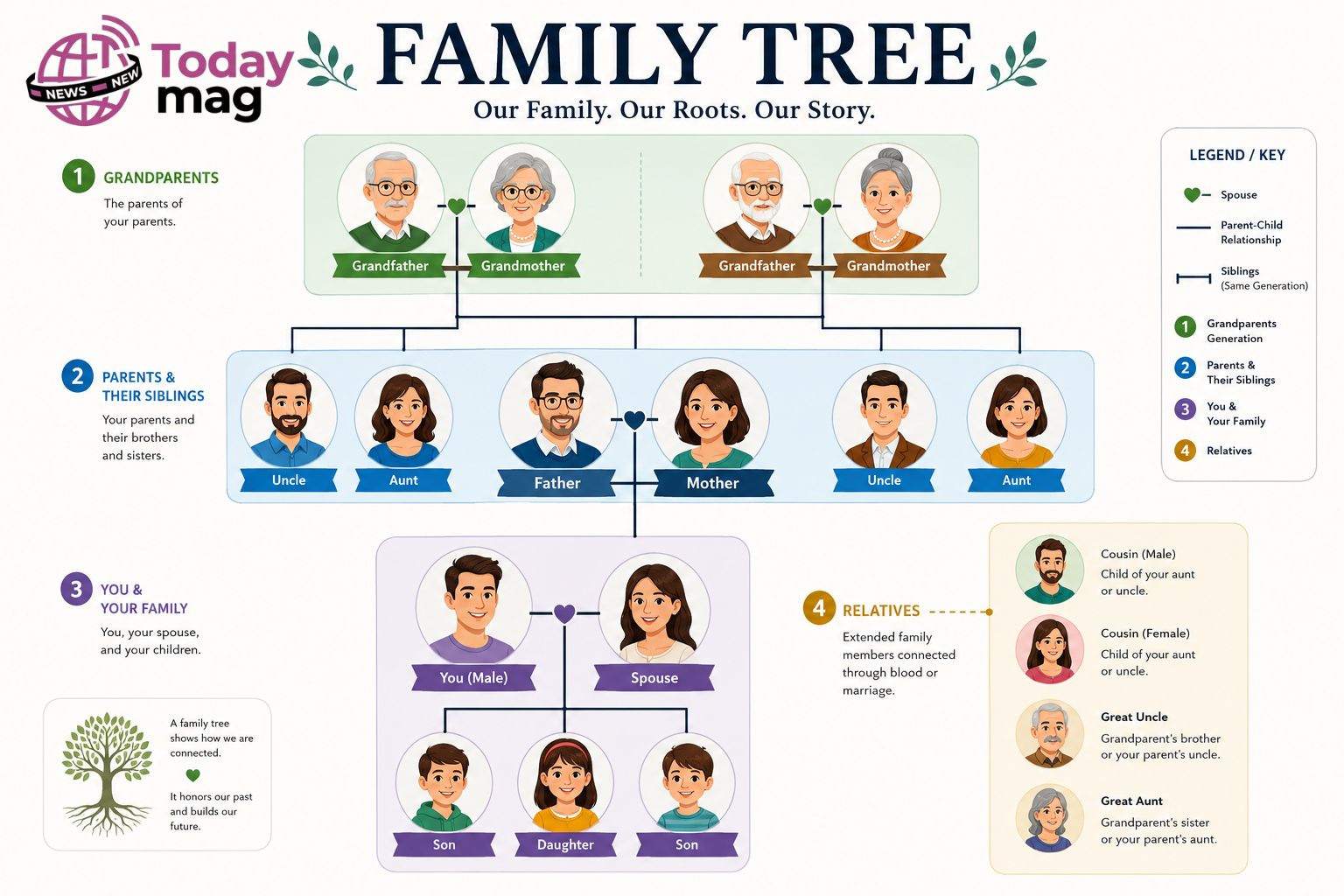
In many cases, a husband, wife, or legally recognized spouse is considered the primary next of kin. If there is no spouse, adult children may become the closest relatives. Parents, siblings, grandparents, and other relatives may also be recognized depending on the situation.
Modern family structures have made the issue more complex. Some individuals choose long-term partners as emergency contacts, while others designate trusted family members who are not necessarily the closest blood relatives.
Organizations often allow individuals to nominate their preferred next of kin, particularly for emergency contact purposes. However, legal recognition may still follow specific rules established by local law.
Because family situations vary widely, it is important to understand how next-of-kin status applies within a particular legal system.
Why Next of Kin Matters

Most people do not think about next-of-kin arrangements until an emergency occurs.
When accidents, illnesses, or unexpected events happen, authorities often need a reliable family contact. A clearly identified next of kin ensures that important information can be communicated quickly and accurately.
The role becomes particularly important during hospital admissions, medical emergencies, travel incidents, and situations involving legal or financial matters.
Having accurate next-of-kin information can save valuable time during critical situations. It can also help family members coordinate support and make practical arrangements when needed.
For these reasons, employers, healthcare providers, and government agencies often encourage individuals to keep their next-of-kin details updated.
Rights of a Next of Kin
Many people assume that next-of-kin status automatically grants extensive legal authority. In reality, the rights associated with the role are often more limited than people expect.
One common right involves receiving notifications during emergencies. Hospitals, police departments, and other organizations may contact the next of kin when an important event occurs.
The next of kin may also be consulted regarding family preferences, practical arrangements, and communication with other relatives.
In some situations, healthcare professionals may share certain information with close family members when it is appropriate and legally permitted. However, privacy laws often place limits on what can be disclosed.
The extent of these rights varies by jurisdiction, institution, and individual circumstances.
Medical Situations
Healthcare settings are where the concept of next of kin is often most visible.
If a patient is seriously injured or unable to communicate, medical staff frequently contact the designated next of kin. This allows healthcare providers to gather important information and keep family members informed.
However, being next of kin does not automatically give someone the legal power to make medical decisions.
In many countries, decision-making authority depends on specific legal documents, court appointments, or healthcare proxy arrangements. Medical professionals must follow the law as well as the known wishes of the patient.
This distinction is important because many families mistakenly believe next-of-kin status alone grants complete authority over treatment decisions.
Rights After Death
The role of a next of kin often becomes especially important after a person’s death.
Family members are typically notified first and may be involved in making funeral arrangements, identifying the deceased, and communicating with relevant organizations.
The next of kin may also assist with practical matters such as notifying friends, relatives, employers, and service providers.
However, legal authority over a deceased person’s estate is not always determined solely by next-of-kin status. Estate administration generally follows inheritance laws, wills, and probate procedures.
As a result, the next of kin may play an important role while still sharing responsibilities with executors, administrators, or legal representatives.
Inheritance and Property
One of the most common misconceptions concerns inheritance rights.
Many people assume that the next of kin automatically inherits all property and assets after someone’s death. In reality, inheritance laws are often more complex.
If a valid will exists, assets are usually distributed according to the wishes expressed in that document. The next of kin may inherit some or all of the estate, but this depends on the instructions left behind.
When there is no will, intestacy laws generally determine how assets are distributed among surviving relatives. In such cases, the next of kin may have inheritance rights, but those rights are governed by specific legal rules.
Understanding this distinction helps prevent misunderstandings and family disputes.
Responsibilities of a Next of Kin
Being someone’s next of kin involves more than receiving phone calls during emergencies.
The role often carries practical and emotional responsibilities. Family members may need to coordinate communication, support loved ones, and help manage urgent matters.
During times of crisis, relatives frequently become a source of stability and reassurance for the wider family.
These responsibilities can be challenging, particularly when difficult decisions must be addressed quickly.
The role requires patience, compassion, and a willingness to cooperate with healthcare providers, legal professionals, and other family members.
Managing Emergencies
One of the most important responsibilities of a next of kin is responding during emergencies.
When authorities need information about a person’s medical history, family contacts, or personal circumstances, the next of kin is often the first person contacted.
In these situations, providing accurate information can help professionals act more effectively.
The next of kin may also be responsible for informing other family members and helping coordinate support.
Although these tasks may seem straightforward, they can become emotionally demanding during periods of stress and uncertainty.
Supporting Family Members
A next of kin often serves as a central point of communication within the family.
During serious illnesses, accidents, or bereavement, relatives may look to the next of kin for updates and guidance.
Providing emotional support becomes an important part of the role. This may involve helping family members understand medical information, coordinating visits, or assisting with practical arrangements.
Strong communication skills can make a significant difference during difficult times.
Families often benefit when one trusted individual helps organize information and maintain clear communication.
Handling Administrative Tasks
In addition to emotional support, next-of-kin responsibilities frequently include administrative duties.
These tasks may involve completing forms, gathering documentation, arranging appointments, and communicating with organizations.
After a death, practical responsibilities can expand considerably. Family members may need to contact banks, insurance companies, government agencies, utility providers, and other institutions.
Although these tasks can be time-consuming, they help ensure that important matters are handled properly.
Good organization and attention to detail are valuable qualities for anyone acting in this role.
Common Misunderstandings
Misunderstandings about next-of-kin rights are widespread.
One of the biggest myths is that next of kin automatically gains full legal control over medical decisions. In reality, decision-making authority often depends on separate legal arrangements.
Another misconception is that next of kin always inherits property. While inheritance rights may exist, legal procedures and wills often determine asset distribution.
Some people also believe that next-of-kin status is universally defined. However, laws differ significantly between countries and even between regions within the same country.
Because of these variations, individuals should seek local legal guidance when dealing with important matters.
Next of Kin and Estate Planning
Proper estate planning can reduce uncertainty for families.
Creating a valid will helps clarify how assets should be distributed and minimizes the risk of disputes. It also provides clear instructions regarding personal wishes.
Many legal experts recommend discussing important matters with family members before emergencies arise.
In addition to wills, documents such as powers of attorney and healthcare directives can help clarify decision-making authority.
These arrangements provide greater certainty than relying solely on next-of-kin status.
Effective planning allows families to focus on supporting one another rather than resolving avoidable legal questions.
Keeping Information Updated
Life circumstances change over time.
Marriage, divorce, childbirth, relocation, and family changes can all affect who should be listed as a next of kin.
Regularly reviewing emergency contact information ensures that organizations can reach the correct person when necessary.
Employers, healthcare providers, insurance companies, and educational institutions should be informed whenever significant changes occur.
Keeping records accurate is a simple step that can prevent confusion during emergencies.
When Next of Kin Is Most Important
The importance of next-of-kin arrangements becomes especially clear during major life events.
Medical emergencies often require immediate family contact. Hospital admissions may involve communication with relatives regarding treatment and patient welfare.
End-of-life situations frequently require coordination between healthcare providers and family members.
Unexpected accidents may create urgent needs for identification, communication, and practical support.
Estate administration following a death also highlights the importance of clearly identifying family relationships and responsibilities.
In each of these situations, the next of kin serves as a crucial connection between individuals, families, and institutions.
Practical Tips for Families
Families can take several steps to ensure that next-of-kin arrangements work effectively.
First, discuss preferences openly. Family members should understand who has been designated and why.
Second, keep important documents organized and accessible. This includes wills, insurance records, medical information, and contact details.
Third, review arrangements regularly to ensure they reflect current circumstances.
Finally, understand the limitations of next-of-kin status. Knowing what rights exist and what rights do not can prevent confusion during stressful situations.
Preparation today can make difficult situations easier to manage in the future.
Conclusion
The concept of next of kin plays an important role in modern life. From medical emergencies and hospital admissions to inheritance matters and family communication, the role helps ensure that important information reaches the people who need it most.
While next-of-kin status carries certain rights, it does not automatically grant unlimited legal authority. Understanding the distinction between family relationships and formal legal powers is essential.
At the same time, the responsibilities associated with being a next of kin are significant. Supporting loved ones, managing practical matters, and helping families navigate challenging situations require commitment and compassion.
By understanding the rights, responsibilities, and limitations of the role, individuals and families can make informed decisions and prepare more effectively for the future.
Frequently Asked Questions (FAQs)
What does next of kin mean?
Next of kin refers to a person’s closest living relative, often contacted during emergencies, medical situations, or legal matters.
Who can be considered a next of kin?
A next of kin is usually a spouse, child, parent, sibling, or another close family member, depending on the circumstances and local laws.
Does next of kin automatically inherit an estate?
Not always. Inheritance is generally determined by a valid will or the applicable inheritance laws if no will exists.
Can a next of kin make medical decisions?
Being next of kin does not automatically grant medical decision-making authority. Specific legal documents may be required in many situations.
How can I update my next of kin information?
You can update your next of kin details through your employer, healthcare provider, insurance company, or any organization that maintains your records.
