


Introduction
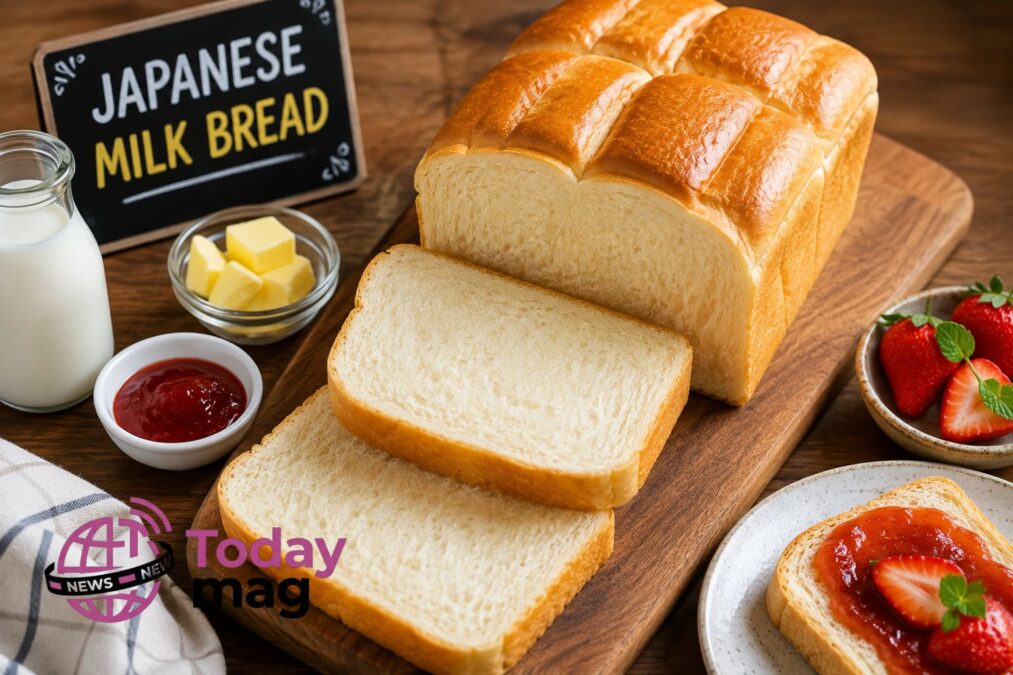
Japanese milk bread, commonly known as shokupan, is becoming one of the most talked-about bread trends in the UK. Known for its incredibly soft texture, slightly sweet flavour and light, fluffy crumb, this Japanese-style loaf is very different from the traditional sliced white bread found in many British kitchens.
The interest in Japanese milk bread has grown rapidly through social media, particularly TikTok, where videos showing the bread being sliced, toasted or gently pulled apart have attracted huge attention. Recent reporting in the UK has highlighted a significant rise in interest, with Waitrose reporting a 617% increase in searches for “Japanese milk buns” on its website over the previous month, alongside a 27% rise in sales.
For people searching for Japanese milk bread UK, the attraction is simple: shokupan looks beautiful, feels incredibly soft and can be used for everything from breakfast toast to sandwiches and burgers.
Quick Bio
| Detail | Information |
|---|---|
| Focus Keyword | Japanese Milk Bread UK |
| Article Title | Japanese Milk Bread UK: What Is Shokupan and Why Is It Trending in 2026? |
| Also Known As | Shokupan / Japanese Milk Bread |
| Category | Food / Recipes |
| Cuisine | Japanese |
| Main Ingredients | Bread flour, milk, butter, sugar, yeast, salt |
| Key Technique | Tangzhong |
| Texture | Soft, fluffy and springy |
| Best For | Toast, sandwiches, French toast and breakfast |
| Target Audience | UK food lovers and home bakers |
| Search Intent | Informational + Recipe |
| Year | 2026 |
What Is Japanese Milk Bread?
Japanese milk bread is a soft enriched bread made with ingredients such as strong bread flour, milk, sugar, yeast and butter. Some recipes also use eggs or milk powder. Unlike a standard sandwich loaf, shokupan has a particularly tender and springy texture.
One of the most important techniques used to create this texture is called tangzhong. It involves cooking a small amount of flour with liquid before adding it to the main dough. Heating the flour allows its starches to gelatinise and hold more moisture, helping create the characteristic soft crumb.
Another traditional technique is yudane, which uses hot liquid and flour to achieve a similar effect. Both methods are closely associated with the soft texture that makes Japanese milk bread so distinctive.
Why Is Shokupan Trending in the UK?
There are several reasons behind the growing popularity of Japanese milk bread in Britain.
1. Social Media Popularity
The appearance of shokupan makes it particularly suitable for food videos. Its golden crust and soft white interior look impressive when sliced or pulled apart, making it an ideal subject for TikTok, Instagram and other social platforms.
2. Extremely Soft Texture
The biggest attraction is arguably the texture. A well-made loaf can be soft, springy and light rather than dense or heavily chewy. This makes it appealing to people who want something different from conventional bread.
3. Versatility
Japanese milk bread is not limited to breakfast. It can be used for sandwiches, toast, burgers, French toast and sweet snacks. Food experts have also suggested combinations such as egg sandwiches, BLTs and toasted nut-butter sandwiches.
4. Growing Interest in Japanese Food
The UK has already embraced a wide range of Japanese and wider East Asian foods. Shokupan fits naturally into this trend because it combines traditional Japanese baking techniques with familiar ingredients and uses.
What Makes Japanese Milk Bread So Soft?
The secret is not simply the milk.
The preparation method plays an important role. In a tangzhong recipe, flour and liquid are heated together until the mixture thickens. This cooked mixture is then cooled and incorporated into the remaining dough.
Many recipes heat the mixture to around 65°C, at which point the flour starches gelatinise. The resulting paste can retain additional moisture, contributing to a soft and tender loaf.
The dough also needs sufficient kneading to develop gluten. A properly developed dough should become smooth and elastic. Some bakers use the “windowpane” test, stretching a small piece of dough until it becomes thin enough for light to pass through without immediately tearing.
This combination of moisture management, gluten development and careful fermentation helps produce the distinctive cloud-like texture associated with shokupan.
Is Japanese Milk Bread the Same as Brioche?
Not exactly.
Both breads can contain butter, milk, eggs and sugar, but their textures and preparation can be different. Japanese milk bread is generally known for its light, soft and elastic crumb, while brioche is typically richer and more buttery.
This difference is also one reason some UK chefs are interested in milk buns. Recent UK food reporting noted that milk buns can be less butter-heavy than brioche while still providing a soft and appealing texture.
For UK home bakers, this makes shokupan an interesting alternative to ordinary sandwich bread and richer enriched breads.
Japanese Milk Bread UK: Ingredients, Tangzhong Method & Easy Recipe
Ingredients You Need
Making Japanese milk bread at home is easier than it may first appear. Most ingredients are readily available in UK supermarkets.
For a standard loaf, you will generally need:
- Strong white bread flour
- Whole milk
- Unsalted butter
- Caster sugar
- Instant yeast
- Salt
- Egg
- A small amount of flour and liquid for the tangzhong
Recipes vary, but the basic combination remains similar. Some versions also use milk powder or honey for additional flavour and softness.
What Is the Tangzhong Method?
The tangzhong method is one of the key techniques behind the soft texture of Japanese milk bread.
Instead of mixing all the flour directly into the dough, a small portion is first cooked with liquid. The mixture becomes a thick paste as the starches absorb liquid. Once cooled, it is added to the remaining ingredients.
This allows the dough to hold more moisture and helps create a tender, fluffy loaf. The technique is widely used in Japanese milk bread recipes.
Easy Japanese Milk Bread Recipe for UK Bakers
Step 1: Prepare the Tangzhong
Place a small amount of bread flour and milk or water in a saucepan.
Whisk the mixture while heating it gently until it becomes thick and smooth. Do not leave it unattended because the mixture can quickly stick to the bottom of the pan.
Once it has reached a paste-like consistency, remove it from the heat and allow it to cool before adding it to the dough.
A typical tangzhong is cooked until the flour and liquid form a thick roux-like paste.
Step 2: Mix the Dough
Add the remaining bread flour, sugar, salt and yeast to a large mixing bowl.
Add the cooled tangzhong, milk and egg. Mix until the ingredients come together into a sticky dough.
At this stage, the dough may feel much softer and stickier than ordinary bread dough. This is normal.
Step 3: Knead the Dough
Kneading is particularly important for shokupan because strong gluten development helps create its characteristic combination of softness and structure.
Using a stand mixer with a dough hook, knead the dough until it becomes smooth and elastic. Some tested recipes recommend around 8–10 minutes of kneading, followed by checking the dough for good elasticity.
You can also knead by hand, although it may take longer.
Step 4: Add the Butter
Once the dough has started developing gluten, gradually add softened unsalted butter.
Continue kneading until the butter is completely incorporated and the dough becomes smooth and elastic.
Avoid adding large amounts of extra flour simply because the dough feels sticky. Too much additional flour can make the finished bread heavier and less fluffy.
Step 5: First Rise
Place the dough into a lightly greased bowl and cover it.
Leave it somewhere warm until it has approximately doubled in size.
The exact time depends on room temperature, yeast activity and the dough itself, so judging the dough by its volume is more useful than relying only on a fixed time.
Step 6: Shape the Loaf
Once the dough has risen, gently remove it from the bowl and divide it into portions.
Flatten each portion gently and roll it into a neat shape before placing the pieces into a loaf tin.
Traditional shokupan is often shaped in several sections and baked in a rectangular pan, giving the finished loaf its distinctive appearance.
Step 7: Second Rise
Cover the shaped dough and allow it to rise again.
The dough should become noticeably larger and lighter. Avoid letting it overproof, because an excessively fermented dough may struggle to maintain its structure during baking.
Step 8: Bake
Preheat your oven according to the recipe you are following.
Brush the top lightly with milk or egg wash if desired, then place the loaf in the oven.
Bake until the bread has developed a golden surface and feels properly set.
Different recipes use different oven temperatures and baking times, so following the quantities and temperature designed for your particular loaf tin is important. One current recipe, for example, lists approximately 25 minutes of baking time for Japanese milk bread rolls.
Common Mistakes to Avoid
Using Too Much Extra Flour
The dough can feel sticky during preparation. Adding excessive flour can reduce the moisture level and produce a denser loaf.
Skipping Proper Kneading
Insufficient gluten development can result in bread that lacks the stretchy, fluffy texture associated with shokupan.
Adding Hot Tangzhong
Always allow the tangzhong to cool before combining it with the other ingredients. Adding it while very hot can negatively affect the dough and yeast.
Overproofing
A loaf that rises too far may collapse or develop a weak structure during baking.
Cutting the Bread Too Early
Freshly baked milk bread is delicate. Allowing it to cool properly before slicing makes it easier to achieve clean slices without crushing the soft crumb.
How to Store Japanese Milk Bread
Once completely cooled, store the loaf in an airtight container or suitable bread bag at room temperature.
Because Japanese milk bread is designed to retain moisture, it can remain soft for longer than a conventional loaf when stored correctly. The tangzhong technique is specifically associated with improving moisture retention and tenderness.
For longer storage, the bread can also be sliced and frozen so individual pieces can be removed when needed.
Japanese Milk Bread UK: Best Ways to Eat Shokupan, FAQs & Conclusion
Best Ways to Eat Japanese Milk Bread
One reason Japanese milk bread UK searches are growing is its versatility. Shokupan can be enjoyed as a simple breakfast, turned into a sandwich or used in sweet recipes.
1. Toast With Butter and Jam
A thick slice of shokupan lightly toasted and served with butter and jam makes a simple breakfast. The soft interior develops a crisp surface while remaining tender inside.
For a UK-style breakfast, try it with strawberry jam, raspberry preserve, honey or marmalade.
2. Egg Sandwich
Egg sandwiches are a natural match for Japanese milk bread. The soft texture works particularly well with creamy egg fillings.
Shokupan is widely used for Japanese-style sandwiches, including egg sando and katsu sando.
3. Katsu Sando
Katsu sando combines crispy breaded meat with thick slices of soft Japanese bread.
The contrast between the crunchy filling and fluffy bread makes it one of the most popular ways to use shokupan. For UK home cooks, chicken katsu can be used as an accessible alternative.
4. Fruit Sandwich
Japanese fruit sandwiches are another interesting option. Thick slices of milk bread are filled with whipped cream and fresh fruit such as strawberries, kiwi or peaches.
The slightly sweet bread works particularly well with creamy and fruity fillings.
5. French Toast
Japanese milk bread is excellent for French toast because its soft crumb can absorb the egg-and-milk mixture while maintaining its structure.
For a weekend breakfast, serve it with berries, honey, maple syrup or icing sugar.
6. Grilled Cheese or BLT
Shokupan doesn’t have to be used only for sweet dishes. Its mild flavour makes it suitable for savoury recipes such as grilled cheese and BLT sandwiches.
This versatility is one reason UK chefs and food businesses are experimenting with milk buns and Japanese-style bread. Recent UK food coverage has highlighted its use in sandwiches, burgers and other savoury dishes.
Japanese Milk Bread vs Normal White Bread
| Feature | Japanese Milk Bread | Standard White Bread |
|---|---|---|
| Texture | Very soft and springy | Usually lighter or firmer |
| Flavour | Mildly sweet and milky | Generally neutral |
| Crumb | Moist and fluffy | More conventional |
| Best uses | Toast, sandwiches, French toast | Sandwiches and toast |
| Preparation | Often uses tangzhong or yudane | Usually simpler dough |
| Appearance | Often tall and square | Usually rectangular |
The key difference is the combination of enriched dough and techniques such as tangzhong or yudane, which help create the characteristic soft texture.
Is Japanese Milk Bread Worth Trying?
For UK home bakers who enjoy experimenting with new recipes, Japanese milk bread is definitely worth trying.
The recipe requires more preparation than an ordinary loaf because the dough needs careful kneading, proving and shaping. However, the result is a soft and versatile bread that can be used in both sweet and savoury dishes.
The current UK interest also makes it a useful recipe for anyone interested in international food trends. In August 2026, UK food coverage reported that social-media interest in shokupan had contributed to a major increase in searches and supermarket interest.
Frequently Asked Questions
What is Japanese milk bread?
Japanese milk bread, or shokupan, is a soft, slightly sweet Japanese-style white loaf. It is known for its fluffy, springy texture and is commonly eaten as toast or used for sandwiches.
Why is Japanese milk bread so soft?
The softness comes from the recipe and preparation technique. Methods such as tangzhong and yudane allow the dough to retain more moisture, helping create a tender crumb.
Is Japanese milk bread the same as brioche?
No. Although both can contain ingredients such as butter, milk and sugar, shokupan is generally lighter and less rich than brioche. Its texture is particularly soft and elastic.
Can I make Japanese milk bread at home in the UK?
Yes. Most of the basic ingredients can be found in UK supermarkets. You will need bread flour, milk or another liquid, yeast, sugar, salt and butter, with recipes varying in their use of eggs and other ingredients.
Can Japanese milk bread be used for sandwiches?
Yes. Its soft but structured crumb makes it particularly suitable for sandwiches. It can be used for egg sandwiches, chicken katsu sandwiches, BLTs and grilled cheese.
How should I store Japanese milk bread?
Allow the loaf to cool completely before storing it in an airtight container or suitable bread bag. For longer storage, slicing and freezing the bread is a practical option.
Final Thoughts
Japanese milk bread UK is more than just another social-media food trend. Shokupan combines a soft, fluffy texture with a mildly sweet flavour and enough versatility to work in everything from breakfast toast to savoury sandwiches.
Its popularity in the UK has been helped by visually appealing social-media content, while bakeries, restaurants and home cooks are finding new ways to use it.
If you enjoy baking, shokupan is a worthwhile recipe to add to your collection. The tangzhong technique may require a little extra effort, but it can produce the soft, pillowy texture that makes Japanese milk bread so popular.
For UK readers looking for something different from ordinary sliced bread, Japanese milk bread is a delicious recipe trend worth trying in 2026.
