

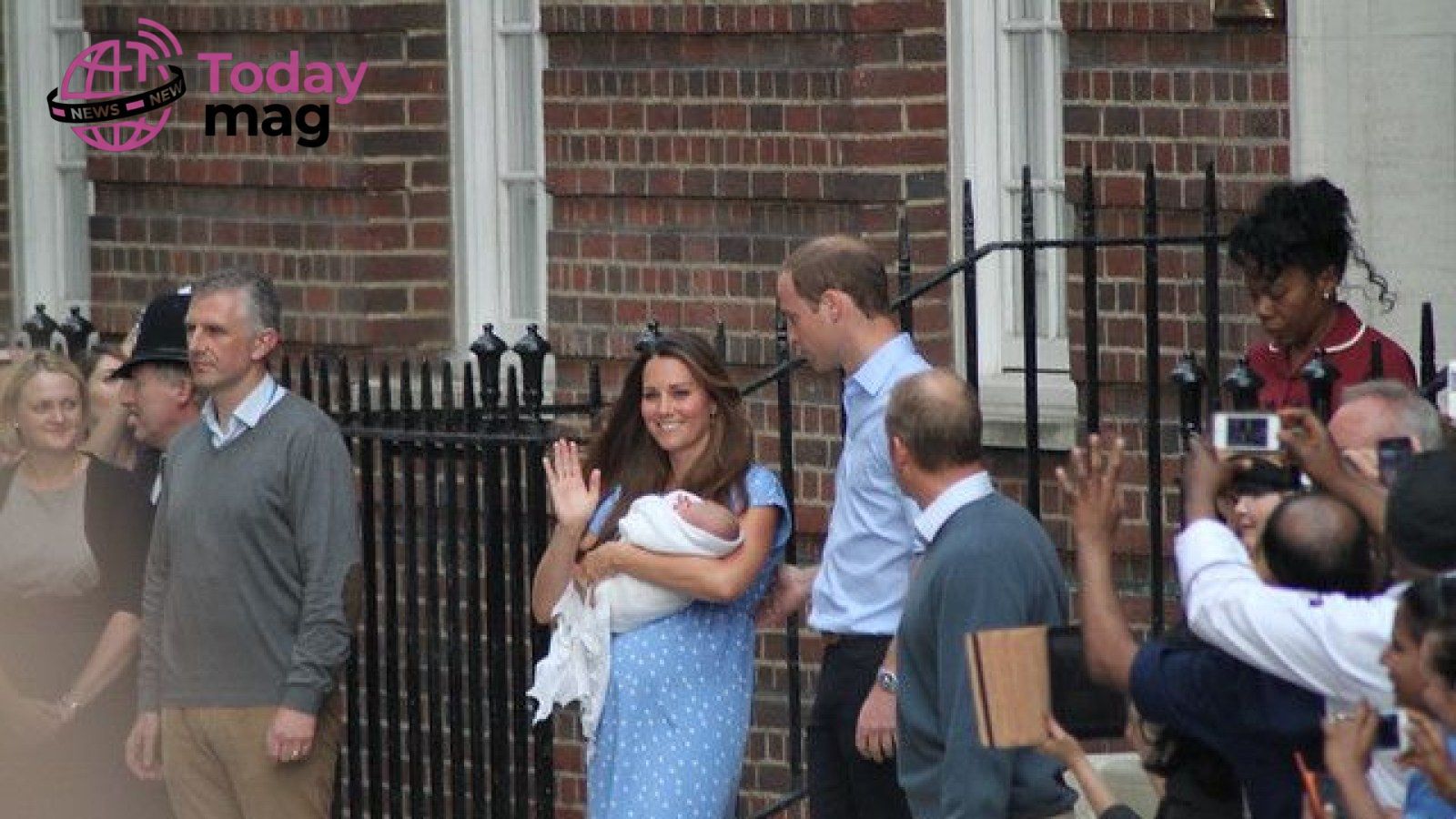
The British royal family has always attracted intense public interest, but in 2026 the conversation around Kate Middleton and her sons feels particularly relentless. From online forums to tabloid headlines, Kate Middleton son rumors keep circulating. People speculate about Prince George’s rapid growth and future responsibilities, Prince Louis’s energetic personality, and even fleeting whispers of a fourth child. These stories gain traction with every family appearance, leaving many to wonder: are these persistent rumors actually causing real harm to the royal family?
As the Waleses continue their public duties, the contrast between the composed family we see and the dramatic narratives online becomes striking. Recent events, like their appearance at the 2026 Easter service, offer a clearer picture. Yet the rumors persist. This article takes a closer look at where these stories come from, what the evidence shows, and whether they are genuinely hurting the monarchy’s image and the family’s well-being.
Quick Bio
| Label | Information |
|---|---|
| Article Title | Are Kate Middleton Son Rumors Hurting the Royal Family? |
| Main Focus | Kate Middleton son rumors |
| Year | 2026 |
| Key Figures | Kate Middleton, Prince William |
| Prince George | 12 years old, future king |
| Prince Louis | 7 years old, youngest son |
| Number of Children | Three (George, Charlotte, Louis) |
| Rumors Type | Fourth child, family tension, growth speculation |
| Main Source of Rumors | Social media and tabloids |
| Family Status | Stable and united |
| Palace Approach | Privacy and measured public appearances |
| Current Impact | Short-term noise, limited long-term damage |
| Latest Family Appearance | Easter 2026 service at Windsor |
The Roots of the Kate Middleton Son Rumors
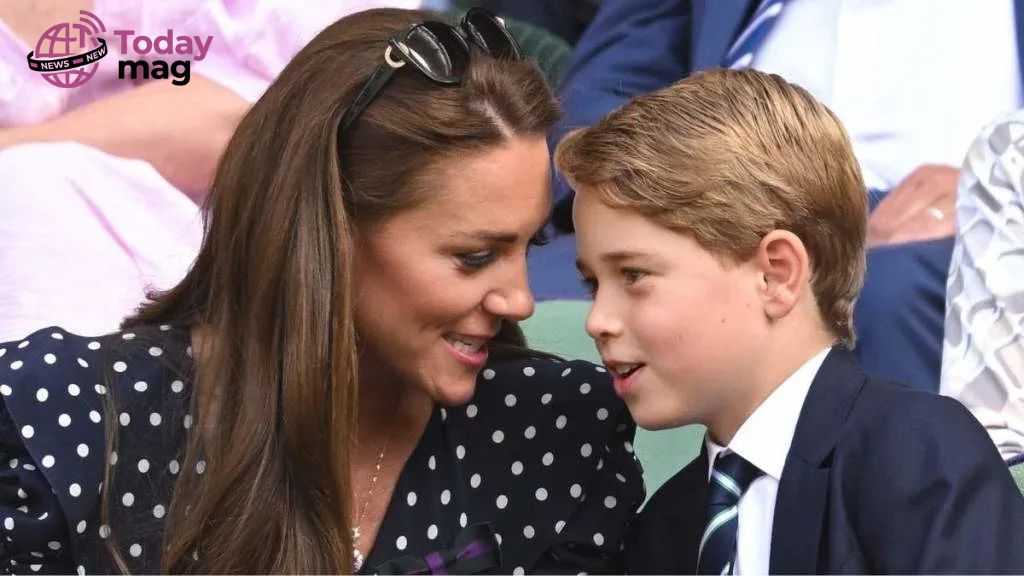
Rumors about the sons in the Wales family trace back years, rooted in the classic “heir and spare” narrative that has shaped royal history for centuries. Prince George, born in 2013, carries the immense weight of eventually becoming king. As the eldest, every milestone draws extra attention. Prince Louis, the youngest at seven, often becomes the focus of lighter but still invasive commentary about his lively nature and position further down the line of succession.
Social media has supercharged these discussions. After Kate’s cancer diagnosis and treatment in 2024 and 2025, any period with fewer public appearances sparked theories. Some suggested hidden family tensions, while others invented pregnancy stories or questioned the children’s well-being. By late 2025 and into 2026, talk of a fourth child briefly surged, especially when Kate looked radiant at certain events. Insiders later pointed out the family had simply welcomed a new puppy, not a baby. Still, the rumor mill kept turning.
These stories thrive for understandable reasons. The royals blend centuries-old tradition with modern celebrity appeal. People project their own ideas about family life, gender roles, and succession onto them. A growth spurt in a 12-year-old boy or a cheeky moment from a seven-year-old suddenly becomes “evidence” of deeper drama.
What the Facts Actually Show
Official appearances and reliable reporting tell a far more grounded story. In April 2026, William and Kate brought George, Charlotte, and Louis to the Easter Mattins service at St George’s Chapel. Photos from the day showed a united family. Prince George, now 12, stood noticeably taller than his siblings and nearly matched his mother’s height even with her heels.
Kate had previously joked about her eldest son’s growth. At a Christmas outing in 2025, she laughed when a well-wisher predicted George would reach 6’4”. By Easter, the change was obvious to everyone. She has also shared light-hearted moments, such as telling rugby players that she enjoys backyard games with the children but wouldn’t want to be tackled by George. These comments paint a picture of normal, active family life rather than hidden turmoil.
There is no credible evidence of plans for a fourth child. Kensington Palace maintains its usual policy of privacy on personal family matters. Instead, the couple has focused on practical parenting steps, such as letting the children stay up late to watch an Aston Villa match with their dad in May 2026. Kate later laughed about the noise all three made during the game.
The family moved into their “forever home,” Forest Lodge, offering more space and stability. William has spoken about following the “Middleton model” of upbringing three children raised with love, hard work, and as much normalcy as royal life allows.
Pressure on the Children and Family Dynamics
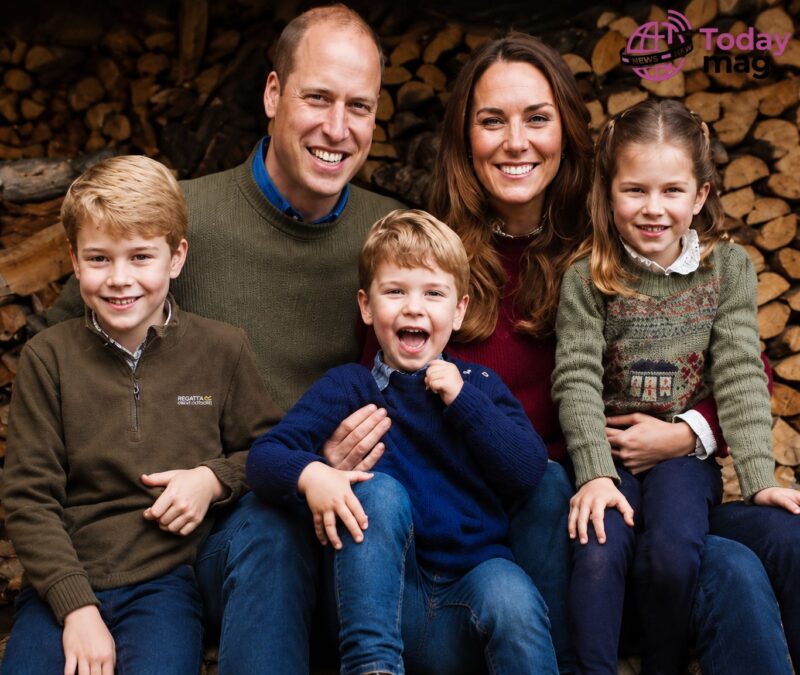
Royal childhoods come with pressures unknown to most families. Prince George understands more about his destiny than the average 12-year-old. Reports suggest his parents waited until he was around seven to fully explain his future role, giving him time to enjoy a relatively ordinary early childhood.
Constant Kate Middleton son rumors add unnecessary layers of scrutiny. Online speculation about favoritism, personality differences, or future roles can feel invasive. Louis, still very young, risks being defined by his “spare to the spare” label instead of simply growing up as an energetic boy who loves sports and making noise at football matches. Charlotte, often praised for her poise, quietly navigates her own expectations.
For Kate and William, protecting their children while meeting public duties is a daily balancing act. Kate’s cancer journey brought enormous personal strain. The added weight of online theories during her recovery must have been challenging for any parent. Yet they continue prioritizing mental health, privacy, and shared family experiences like rugby in the garden or watching sports together.
How the Palace and the Family Respond
William and Kate have adopted a strategy of measured visibility. They appear at key events without over-explaining or feeding the rumor cycle. The 2026 Easter service marked a return to the traditional family gathering after private celebrations in previous years due to health concerns. It showed quiet unity rather than staged drama.
Kate continues championing early childhood development causes close to her heart. William balances increasing responsibilities as Prince of Wales with hands-on fatherhood. Insiders describe the couple as aligned in wanting a more focused royal role that emphasizes substance and service over scandal.
This approach seems to resonate. Public support for the Waleses remains strong, particularly after Kate’s health battle. Consistency and authenticity appear to be their best defense against speculation.
Why These Rumors Persist in 2026
Several modern factors keep the rumors alive. Social media rewards sensational content, turning innocent observations into viral theories within hours. Celebrity culture has merged with royal tradition, creating an endless appetite for personal details.
Broader context plays a role too. The monarchy is in a period of transition. King Charles continues his initiatives while managing his own health. Attention naturally shifts toward William and Kate as the next generation. Economic pressures and global news fatigue make royal stories a welcome distraction for many.
There is also a positive aspect. Sustained public interest keeps the family relevant. When channeled well, it can shine a light on their charitable work and role as symbols of continuity.
A Balanced Perspective on the Impact
So, are the Kate Middleton son rumors truly hurting the royal family? The answer is nuanced. In the short term, they create noise, occasional frustration, and potential erosion of trust when people start doubting official silence. Past royal crises have shown how unchecked gossip can damage reputations.
However, the Wales family demonstrates remarkable resilience. Kate’s graceful return to duties, the children’s confident public appearances, and the couple’s focus on normalcy have limited any lasting damage. Public affection for Kate stays high, and the monarchy continues its work largely uninterrupted.
The real test lies ahead as George approaches his teenage years and greater public responsibilities. William and Kate’s careful planning from school choices to gradual involvement in duties — suggests thoughtful preparation rather than reaction to rumors.
Broader challenges face the institution. Declining support among younger generations and questions about relevance in a changing society matter more than any single rumor cycle. Yet the steady presence of the Wales family offers a reassuring counterpoint of quiet strength and modern parenting.
Looking Ahead for the Wales Family
The British monarchy has survived centuries of gossip, political shifts, and public scrutiny. Today’s digital age simply makes the noise louder and faster. What ultimately matters is how the family navigates it.
Kate and William appear determined to raise grounded children who understand their roles without being defined by them. Recent family moments from Easter services to garden parties and backyard rugby — remind us of the human story behind the headlines. These are parents proud of their growing sons and daughter, working to balance extraordinary circumstances with love and normalcy.
Rumors about Kate Middleton’s sons will probably continue because the royals fascinate us. That fascination is unlikely to disappear. But the strength of the Wales family unit, visible in 2026 appearances and Kate’s warm comments about her children, suggests these stories generate more temporary buzz than genuine long-term harm.
The monarchy’s future depends on adaptability, transparency where possible, and genuine public connection. So far, William and Kate’s approach seems well-positioned to meet that challenge while shielding their family as much as they can.
In the end, the real royal story in 2026 remains one of resilience, dedication, and a commitment to raising the next generation with care. The rumors may swirl, but the family keeps moving forward — together.
FAQs Kate Middleton
Are the Kate Middleton son rumors based on any real evidence? No. Most rumors stem from normal family moments, like Prince George’s noticeable growth spurt at the 2026 Easter service or Prince Louis’s playful personality. Official appearances and Kensington Palace’s consistent silence on private matters show the family of five remains stable with no plans for a fourth child.
How are William and Kate protecting their children from these rumors? They focus on privacy, normal routines, and controlled public appearances. Kate often shares light-hearted comments about the children’s growth and activities, while emphasizing mental health and giving George, Charlotte, and Louis space to grow up away from constant scrutiny.
Is the royal family being hurt by the ongoing Kate Middleton son rumors? In the short term, they create noise and extra pressure. However, the Waleses’ strong public support, Kate’s resilience after her health journey, and the family’s united appearances suggest the impact remains limited rather than deeply damaging.
Why do Kate Middleton son rumors keep coming back in 2026? Social media, the “heir and spare” fascination, and the blend of royal tradition with celebrity culture keep the stories alive. Innocent observations quickly turn into dramatic theories online, especially during quieter periods.
What should people take away from all this speculation? Focus on verified facts and respect the family’s privacy. The Waleses continue their duties while raising grounded children that steady approach matters far more than fleeting rumors.
