

Introduction
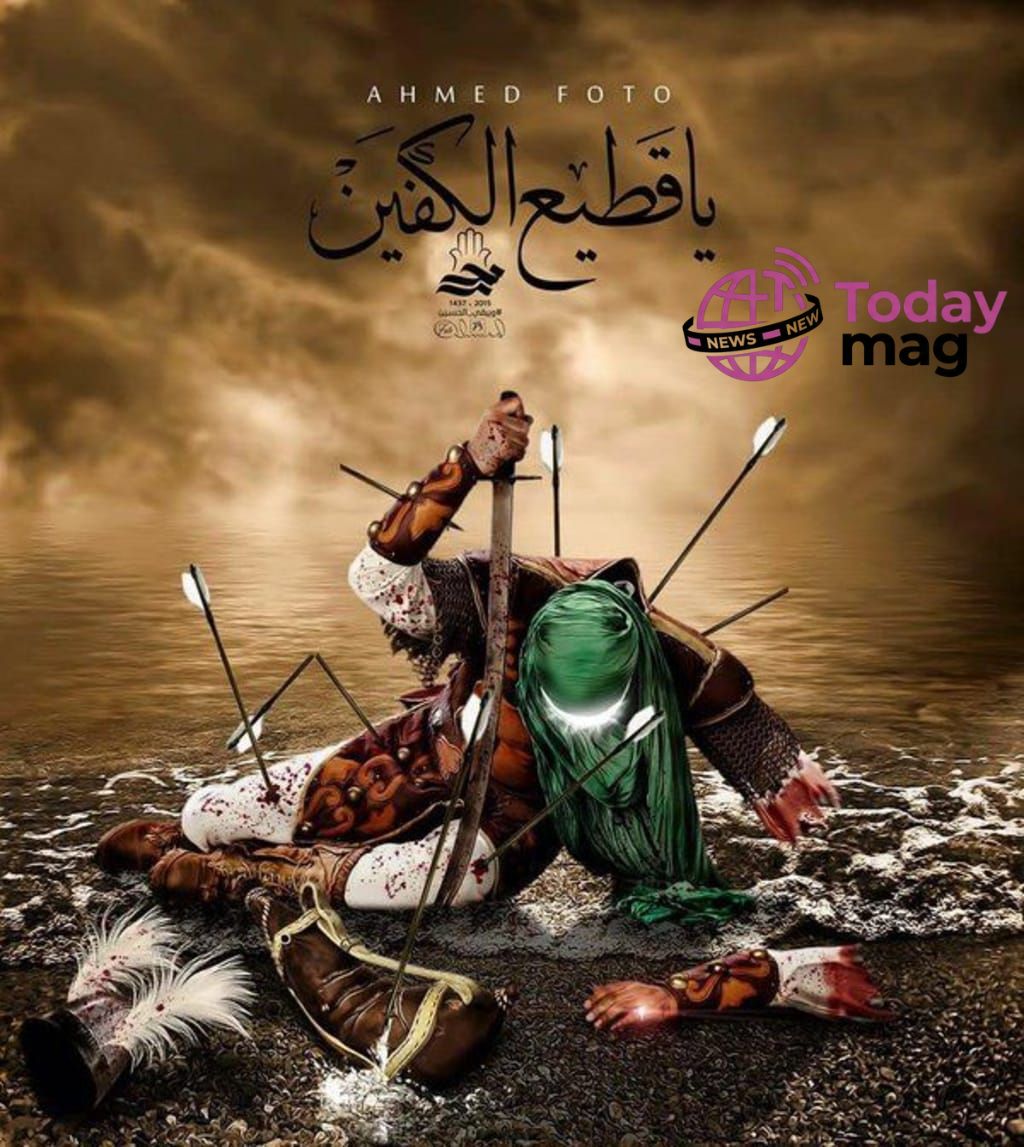
The event of Karbala is one of the most significant and emotionally powerful moments in early Islamic history. It took place in 680 CE (61 AH) and continues to be remembered across generations for its deep moral, spiritual, and historical meaning.
At its core, Karbala is not only a story of a battle, but also a story of conviction, sacrifice, and standing against injustice. The events surrounding this tragedy shaped religious memory, cultural identity, and ethical reflection for centuries.
Understanding what happened in Karbala requires looking beyond the battlefield. It involves the political tensions of the time, the journey of Imam Hussain, and the final stand that became a symbol of resistance.
| Label | Information |
|---|---|
| Name | Karbala |
| Type | Historical event |
| Year | 680 CE (61 AH) |
| Location | Present-day Iraq |
| Key Figure | Imam Hussain ibn Ali |
| Opposing Leader | Yazid I |
| Cause | Leadership and justice conflict |
| Outcome | Martyrdom of Imam Hussain |
| Key Day | Day of Ashura |
| Significance | Symbol of sacrifice and truth |
| Participants | Imam Hussain’s family and companions |
| Aftermath | Captivity of survivors |
| Legacy | Remembered in Muharram worldwide |
Historical Background
After the death of Prophet Muhammad, the Muslim community went through a series of leadership transitions. Over time, differences in political authority and governance began to grow. By the time of the Umayyad rule, the caliphate had become a structured political monarchy under rulers such as Yazid I.
The appointment of Yazid I was controversial for many people in the Muslim world. Concerns were raised about leadership style, governance ethics, and the direction of the state. In this environment, Imam Hussain ibn Ali, the grandson of Prophet Muhammad, became a central figure of moral and religious authority.
Many people saw him as a symbol of justice and legitimacy. His stance was not initially one of rebellion but of refusing to support what he believed was unjust leadership.
Key Figures Involved
The events of Karbala revolve around several important personalities.
Imam Hussain ibn Ali was known for his piety, integrity, and deep connection to the Prophet’s family. He held a respected position in the Muslim community and was widely regarded as a man of principle.
On the opposing side was Yazid I, the Umayyad caliph whose authority was challenged by several groups. His rule represented centralized political power, and his leadership was supported by the state military.
Alongside Imam Hussain were members of his family and close companions. These individuals played a crucial role in the events that unfolded, standing with him during his final journey and ultimate stand at Karbala.
Journey Toward Karbala
The events leading to Karbala began when people from Kufa (a city in present-day Iraq) sent letters inviting Imam Hussain to lead them. They expressed dissatisfaction with the current rule and requested his guidance.
In response, Imam Hussain sent his cousin Muslim ibn Aqil to assess the situation. Initially, support seemed strong, but political pressure changed the situation quickly, and the promised backing weakened.
Despite warnings, Imam Hussain decided to travel from Makkah toward Kufa. His journey was not driven by the desire for conflict but by a sense of responsibility and moral duty. However, as he approached Iraq, he was met by forces that blocked his path.
This moment marked a turning point that led him and his small group toward the plains of Karbala.
Arrival at Karbala
When Imam Hussain reached Karbala, he and his companions were met by a large military force. The location was a desert plain near the Euphrates River, known for its harsh and dry conditions.
Soon after their arrival, they were surrounded and cut off from access to water. This situation created severe hardship, especially for the women, children, and elderly members of the group.
Negotiations took place, but the tension between both sides continued to rise. Despite the pressure, Imam Hussain refused to pledge allegiance under conditions he believed were unjust.
Karbala became the final stopping point of a journey that began with hope and ended in profound tragedy.
Days Before the Battle
In the days leading up to the battle, both sides engaged in discussions and attempts at resolution. Imam Hussain continued to emphasize peaceful solutions, while the opposing forces maintained their position under orders from their leadership.
The situation became increasingly difficult as access to water remained restricted. The heat of the desert and lack of supplies placed immense physical and emotional strain on Imam Hussain’s camp.
Despite these hardships, the group remained steadfast. They spent their final days in prayer, reflection, and preparation for what they understood could be their last moments.
The Day of Ashura
The 10th day of Muharram, known as Ashura, marks the climax of the events at Karbala. On this day, the confrontation reached its peak.
The battle began with individual challenges and gradually escalated into a full confrontation. The group supporting Imam Hussain was significantly smaller in number compared to the opposing army.
Despite this imbalance, Imam Hussain’s companions fought with determination and courage. One by one, many of them were killed, each standing firm in their beliefs until their final moments.
The day became a symbol of endurance, sacrifice, and unwavering commitment to principle, even in the face of overwhelming opposition.
Martyrdom of Imam Hussain
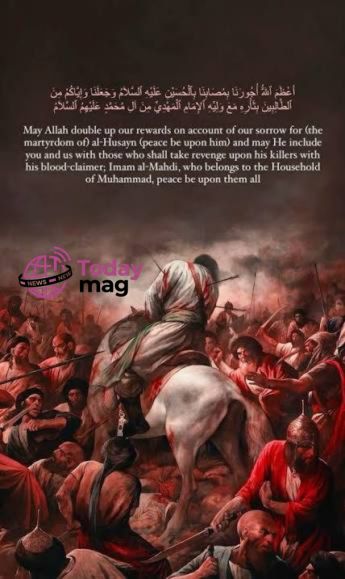
As the battle progressed, Imam Hussain found himself increasingly isolated. After witnessing the loss of his companions and family members, he made a final stand.
According to historical accounts, he continued to call for justice and truth even as he faced extreme hardship. Eventually, he was killed in battle, marking the most tragic moment of Karbala.
His martyrdom left a deep emotional impact on those who were present and became a defining moment in Islamic history. The event was not only a military defeat but also a powerful moral statement that continues to be remembered.
Aftermath of Karbala
After the battle ended, the surviving members of Imam Hussain’s family, including women and children, were taken as captives. They were first taken to Kufa and later to Damascus, the capital of the Umayyad state.
The journey of the captives is remembered as a continuation of the tragedy. Despite their suffering, they are reported to have spoken about justice and the truth of what occurred at Karbala.
Politically, the event strengthened the authority of the ruling state in the short term. However, it also created long-lasting emotional and ideological consequences that influenced generations.
Historical and Religious Impact
The events of Karbala became deeply embedded in Islamic memory. For many, it represents the struggle between justice and oppression, truth and power.
Over time, Karbala evolved into a symbol of moral resistance. It is not only a historical event but also a spiritual reference point for reflection on ethical leadership and human responsibility.
Communities around the world continue to remember Karbala through gatherings, sermons, and storytelling, especially during the month of Muharram.
Lessons from Karbala
Karbala offers several lasting lessons that extend beyond history.
One of the most important lessons is the value of standing for truth, even when conditions are difficult. Imam Hussain’s stand is often seen as a reminder that moral principles can hold greater value than material success.
Another lesson is patience in hardship. Despite extreme conditions, the group maintained dignity and faith.
Karbala also teaches about the consequences of injustice and the importance of accountability in leadership. These lessons continue to be discussed in ethical, religious, and philosophical contexts.
Karbala in Modern Memory
Today, Karbala is remembered globally, especially during Muharram and Ashura. These commemorations take different forms depending on cultural traditions, but the core message remains consistent.
In many communities, people gather to reflect on the events, share historical narratives, and express grief and remembrance. The story is also widely discussed in literature, speeches, and educational settings.
Karbala continues to inspire discussions about justice, sacrifice, and moral courage in both religious and academic contexts.
FAQs – Karbala Historical Overview
What is Karbala in Islamic history?
Karbala is a historic event in 680 CE where Imam Hussain and his companions were martyred after refusing to accept unjust rule.
Why is Karbala so important?
Karbala is remembered as a symbol of justice, sacrifice, and standing against oppression, making it a deeply meaningful event in history.
Who was Imam Hussain in Karbala?
Imam Hussain was the grandson of Prophet Muhammad and a central figure in Karbala, known for his courage and moral stand.
What happened on the Day of Ashura?
On Ashura, the final battle took place in Karbala, leading to the martyrdom of Imam Hussain and many of his companions.
How is Karbala remembered today?
Karbala is remembered through Muharram gatherings, religious reflections, and cultural events that honor sacrifice and justice.
Conclusion
The story of Karbala is not simply a historical account; it is a deeply meaningful narrative that continues to resonate across time. It reflects the struggle between principles and power, and the human capacity to stand firm in belief despite overwhelming odds.
Imam Hussain’s stand at Karbala remains a powerful example of integrity and sacrifice. The events that unfolded there shaped religious memory and continue to influence cultural and moral thinking today.
More than thirteen centuries later, Karbala remains relevant not only as history but as a reminder of values that continue to matter in every generation.
