

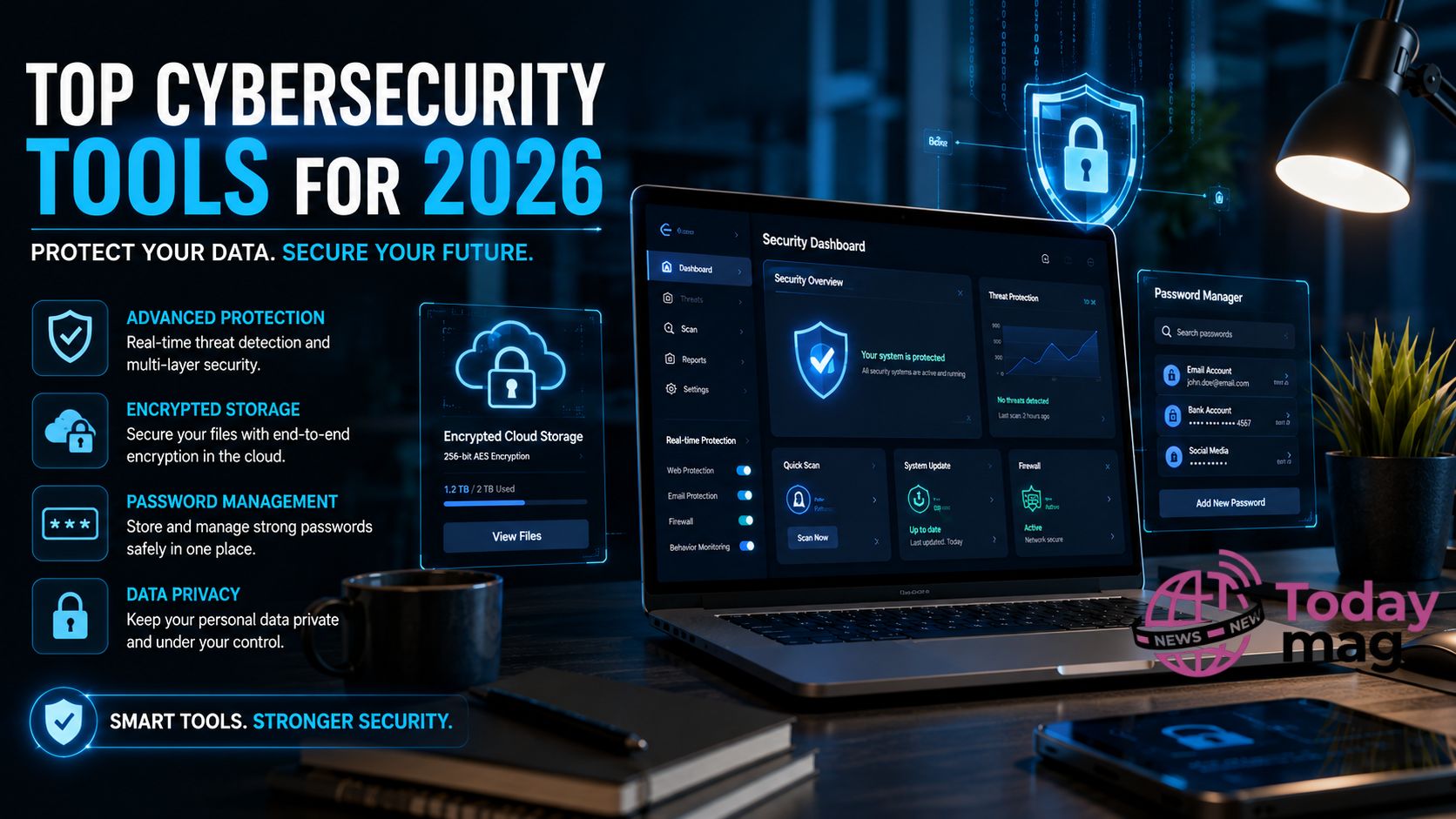
How to Protect Your Personal Data Online in 2026 Technology has become part of almost every aspect of daily life. We shop online, manage bank accounts through mobile apps, communicate on social media, and store personal documents in cloud services. While these digital tools make life easier, they also increase the amount of personal information shared across the internet.
Cybercriminals are becoming more sophisticated every year. Data breaches, phishing scams, fake websites, identity theft, and malicious software continue to affect millions of people worldwide. In many cases, a single weak password or one careless click can expose sensitive information.
Protecting your personal data is no longer something only technology experts need to think about. Every internet user should understand basic online security practices. Whether you work remotely, study online, run a business, or simply browse the web, taking a few precautions can significantly reduce your risk.
This guide explains practical and effective ways to protect your personal information online in 2026.
Quick Bio
| Topic | Information |
|---|---|
| Article Topic | Personal Data Protection |
| Focus Keyword | How to Protect Your Personal Data Online in 2026 |
| Category | Technology |
| Purpose | Help readers secure their personal information online |
| Main Threats | Phishing, malware, identity theft, data breaches |
| Best Security Practice | Use strong passwords and Multi-Factor Authentication |
| Recommended Device Protection | Keep software and apps updated |
| Online Safety Tip | Avoid suspicious links and fake websites |
| Ideal Audience | Internet users, remote workers, students, and businesses |
| Reading Time | 10–12 Minutes |
| Last Updated | June 2026 |
| Article Type | Complete Beginner’s Guide |
Why Personal Data Protection Matters
Personal data includes much more than your name or email address. It can include:
- Banking information
- Credit card details
- Passport numbers
- Phone numbers
- Home addresses
- Medical records
- Login credentials
- Photos and personal documents
If this information falls into the wrong hands, criminals may attempt identity theft, financial fraud, or unauthorized access to your accounts.
The increasing number of online services also means your data is stored across multiple platforms. Keeping that information secure requires good habits and awareness.
Create Strong and Unique Passwords
One of the biggest online security mistakes is using the same password across multiple websites.
If one account becomes compromised, attackers often try the same password on email accounts, banking services, and social media profiles.
A secure password should:
- Be at least 14–16 characters long
- Include uppercase and lowercase letters
- Contain numbers
- Use special characters
- Avoid personal information like birthdays or names
Instead of creating complicated passwords yourself, consider using randomly generated passwords.
Use a Password Manager
Remembering dozens of strong passwords is difficult.
Password managers securely store your login credentials and generate unique passwords for every website.
Benefits include:
| Feature | Benefit |
|---|---|
| Password Generator | Creates strong passwords instantly |
| Secure Vault | Encrypts all stored passwords |
| Auto Fill | Saves time during login |
| Security Alerts | Warns about compromised passwords |
Using a trusted password manager greatly reduces password-related risks.
Enable Multi-Fulti-Factor Authentication (MFA)
Even strong passwords can sometimes be stolen through phishing attacks or data breaches.
Multi-Factor Authentication adds another layer of security.
After entering your password, you must verify your identity using:
- Authentication apps
- Security keys
- Fingerprint recognition
- Face recognition
- One-time verification codes
This extra step makes unauthorized access much more difficult.
Be Careful with Phishing Emails
Phishing remains one of the most common cyber threats.
Attackers create emails that appear to come from trusted organizations.
Common warning signs include:
- Urgent requests
- Suspicious links
- Unexpected attachments
- Grammar mistakes
- Fake login pages
Before clicking any link, verify the sender’s address carefully.
When in doubt, visit the company’s official website directly instead of clicking links in emails.
Keep Software Updated
Software updates do much more than introduce new features.
Many updates fix newly discovered security vulnerabilities.
Always keep updated:
- Windows or macOS
- Android or iPhone
- Browsers
- Antivirus software
- Office applications
- Router firmware
Enabling automatic updates is usually the safest option.
Avoid Public Wi-Fi for Sensitive Activities
Public Wi-Fi networks at airports, cafes, and hotels are convenient but can be risky.
Attackers sometimes monitor unsecured networks to intercept data.
Avoid using public Wi-Fi for:
- Online banking
- Shopping
- Business logins
- Accessing confidential files
If you must connect, use a trusted VPN to encrypt your internet traffic.
Review Privacy Settings Regularly
Many websites and apps collect more information than users realize.
Take time to review privacy settings on:
- Social media accounts
- Messaging apps
- Cloud storage
- Mobile devices
- Search engines
Limit the amount of personal information visible to the public.
Shop Safely Online
Online shopping is more popular than ever, but fake websites and payment scams continue to grow. Before entering your payment details, make sure the website is legitimate.
Here are a few simple habits that can help you shop more safely:
- Check that the website uses HTTPS.
- Read customer reviews from trusted sources.
- Avoid deals that seem unrealistically cheap.
- Use secure payment methods instead of direct bank transfers.
- Never save your card details on websites you don’t fully trust.
A few extra seconds spent verifying a website can prevent financial loss and identity theft.
Limit the Personal Information You Share
Many people unknowingly share too much information online. Details such as birthdays, home addresses, schools, workplaces, or travel plans can be useful to cybercriminals.
Think carefully before posting:
- Your current location
- Vacation updates while you’re away
- Personal identification documents
- Phone numbers
- Family information
Keeping some details private makes it harder for scammers to impersonate you or answer security questions.
Protect Your Mobile Devices
Smartphones now contain almost every aspect of our digital lives, including banking apps, passwords, photos, emails, and personal documents.
To improve mobile security:
- Enable screen lock protection.
- Use fingerprint or facial recognition where available.
- Install apps only from official app stores.
- Remove apps you no longer use.
- Review app permissions regularly.
- Enable device tracking and remote wipe features.
A secure phone protects far more than just your contacts.
Back Up Important Data
No security system is perfect. Devices can fail, accounts can be compromised, and ransomware attacks can lock important files.
A reliable backup strategy ensures your information is never permanently lost.
Good backup practices include:
| Backup Type | Purpose |
|---|---|
| Cloud Backup | Easy access from multiple devices |
| External Hard Drive | Offline protection from ransomware |
| Automatic Backup | Reduces the risk of forgetting |
| Multiple Copies | Better protection against accidental loss |
Back up important documents, family photos, work files, and financial records regularly.
Understand AI-Powered Scams
Artificial intelligence has made online scams more convincing than ever. Fraudsters now use AI to create realistic emails, fake customer support messages, cloned voices, and even deepfake videos.
Common AI scams include:
- Fake investment opportunities.
- AI-generated customer support chats.
- Deepfake video calls.
- Voice cloning requesting urgent money transfers.
- Fake job offers.
Whenever someone asks for sensitive information or money, verify their identity through another trusted method before taking action.
Use Secure Cloud Storage Wisely
Cloud storage services make accessing files convenient, but they should be used responsibly.
To improve cloud security:
- Enable Multi-Factor Authentication.
- Share files only with trusted people.
- Remove outdated shared links.
- Encrypt highly sensitive documents before uploading.
- Review connected devices regularly.
Cloud storage is safest when combined with strong account security.
Monitor Your Accounts Regularly
One of the easiest ways to detect suspicious activity is by checking your accounts frequently.
Review:
- Bank statements
- Credit card transactions
- Email login history
- Social media activity
- Cloud storage devices
- Shopping accounts
If you notice unfamiliar activity, change your password immediately and contact the relevant service provider.
Teach Family Members About Online Safety
Cybersecurity is a shared responsibility. Children, teenagers, and older adults are often targeted by scammers because they may be less familiar with modern threats.
Discuss topics such as:
- Recognizing fake messages
- Safe password habits
- Responsible social media use
- Avoiding suspicious downloads
- Protecting personal information
Simple conversations can prevent costly mistakes.
Signs That Your Personal Data May Be Compromised
Watch for these warning signs:
- Unexpected password reset emails.
- Logins from unknown devices.
- Bank transactions you don’t recognize.
- Friends receiving strange messages from your account.
- Missing files.
- Unusual account notifications.
Act quickly if any of these occur. Changing passwords early can stop further damage.
Quick Online Safety Checklist
Before finishing, use this checklist:
✅ Strong, unique passwords
✅ Multi-Factor Authentication enabled
✅ Software updated
✅ Privacy settings reviewed
✅ Public Wi-Fi used carefully
✅ Files backed up
✅ Trusted password manager
✅ Secure cloud storage
✅ Personal information limited online
✅ Financial accounts monitored regularly
Following these habits consistently provides much stronger protection than relying on a single security tool.
Frequently Asked Questions
How often should I change my passwords?
Instead of changing passwords on a fixed schedule, use strong, unique passwords for every account and change them immediately if you suspect they have been compromised.
Is public Wi-Fi always unsafe?
Not always, but public networks carry higher risks. Avoid accessing sensitive accounts unless you are using a trusted VPN.
Do I really need Multi-Factor Authentication?
Yes. MFA adds an extra security layer and significantly reduces the risk of unauthorized account access.
Can antivirus software protect all my data?
Antivirus software is important, but it cannot stop every cyber threat. Safe browsing habits, strong passwords, software updates, and MFA all play essential roles.
What is the biggest online security mistake?
Reusing the same password across multiple accounts remains one of the most common and dangerous mistakes.
Conclusion
Protecting your personal data online in 2026 is less about using expensive software and more about building smart digital habits. Strong passwords, Multi-Factor Authentication, regular software updates, secure backups, and cautious browsing can dramatically reduce your risk of cyberattacks.
As online threats continue to evolve, staying informed is just as important as using the right security tools. By following the practical strategies outlined in this guide, you can browse, shop, communicate, and work online with greater confidence while keeping your personal information safe.
Staying safe online starts with small daily habits. If you found this guide helpful, explore more technology and cybersecurity articles on TodayMag to stay informed about the latest digital trends.
