

introduction
The announcement from Chancellor Rachel Reeves has left many savers wondering how to protect their hard-earned money. From April 2027, the tax-free cash ISA allowance for anyone under 65 drops from £20,000 to £12,000 per year. The overall ISA limit stays at £20,000, so the remaining £8,000 must go into investments like stocks and shares if you want to use it fully.
This change aims to push more people toward investing in the UK economy rather than keeping everything in cash. For cautious savers who prefer the safety of cash ISAs, it feels like a big shift. But there is still time to prepare, and plenty of smart moves can help you come out ahead. This guide walks through exactly what is happening and the practical steps you can take now and in the future.
Quick Bio
| Label | Information |
|---|---|
| Policy Name | Cash ISA Rachel Reeves Allowance Cut |
| Announced By | Chancellor Rachel Reeves |
| Effective Date | April 2027 (2027/28 tax year) |
| Current Cash ISA Limit | £20,000 per year |
| New Cash ISA Limit (Under 65) | £12,000 per year |
| Total ISA Allowance | Remains £20,000 per year |
| Age Exception | Over-65s keep full £20,000 Cash ISA |
| Existing Savings | Fully protected and stay tax-free |
| Main Purpose | Encourage more investment in UK stocks & shares |
| Most Affected | Risk-averse savers and under-65s |
| Time to Act | Next two tax years (until April 2027) |
| Best Approach | Hybrid: £12k Cash + £8k Stocks & Shares ISA |
| Key Advice | Maximise current allowance and diversify wisely |
Understanding the Cash ISA Rachel Reeves Changes
The core of the policy is straightforward. Starting in the 2027/28 tax year, under-65s can contribute a maximum of £12,000 to a cash ISA. Over-65s keep the full £20,000 cash ISA allowance. Your existing cash ISA balances remain fully protected and continue growing tax-free.
The total annual ISA allowance across all types stays at £20,000. That means after filling your £12,000 cash ISA slot, you still have room for up to £8,000 in a stocks and shares ISA or other permitted ISA types. The government hopes this will encourage more long-term investing while still giving people a decent safety net in cash.
This matters most to people who rely heavily on cash savings for emergency funds, house deposits, or simply because they dislike investment risk. With inflation still a factor and interest rates fluctuating, maximising tax-free growth has never been more important. The next two tax years (up to April 2027) give you a valuable window to act under the old, more generous rules.
Why the Government Made This Move
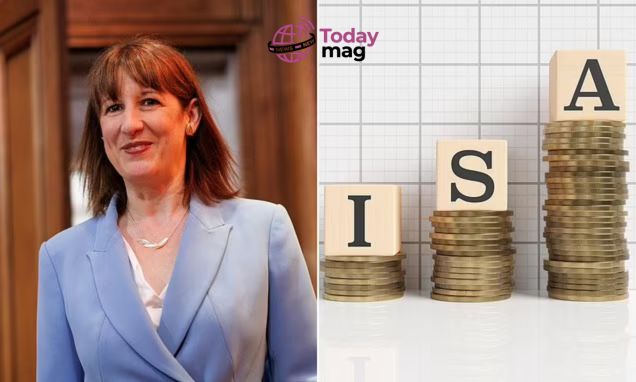
Rachel Reeves framed the cash ISA allowance cut as a way to boost investment in British companies and improve economic growth. Many savers currently park large sums in cash ISAs earning modest returns, while the stock market has historically delivered stronger long-term growth for patient investors.
Critics argue it penalises careful savers, especially with living costs still high. Building societies and banks raised concerns about potential impacts on mortgage rates and overall saving habits. Yet the carve-out for over-65s shows the policy recognises that older savers often need more security.
Whatever your view on the politics, the change is coming. The sensible response is to focus on what you can control: using the current rules wisely and building a balanced approach for the future.
Act Now – Make the Most of the Current Allowance
You still have until 5 April 2027 to use the full £20,000 cash ISA allowance each tax year. That gives you two solid years to build up significant tax-free cash savings.
Start by checking your current ISA providers. Shop around for the best easy-access or fixed-rate cash ISAs. Rates change frequently, so compare options regularly. If you have money sitting in low-interest accounts, move it across before the deadlines.
Consider spreading contributions. You could top up your 2025/26 allowance now if you have not already used it, then plan another full £20,000 for 2026/27. Existing balances roll over safely, so every pound you add now stays protected forever.
Do not rush into decisions just to beat the clock. Only contribute what you can genuinely afford without straining your day-to-day finances. The goal is steady, sustainable saving rather than last-minute panic.
Adopt a Hybrid ISA Strategy for the Long Term
After 2027, the smartest approach for most people under 65 will be a split: £12,000 in a competitive cash ISA for safety, and the remaining £8,000 into a well-chosen stocks and shares ISA.
This hybrid model keeps a large portion of your money secure while letting part of it work harder against inflation. Over five to ten years, even a simple, diversified investment portfolio has often outperformed cash after fees and inflation. Of course, investments can go down as well as up, so this suits money you will not need in the short term.
Beginners should look at low-cost global index funds or tracker funds that spread risk across hundreds of companies. Many platforms offer ready-made portfolios matched to your risk level. Start small, use pound-cost averaging by investing regularly, and review once or twice a year rather than watching daily.
Build Emergency Funds Outside ISAs Where It Makes Sense
Not every pound needs to sit inside an ISA. For true emergency money you might need within months, a standard high-interest savings account can work well. You still benefit from the personal savings allowance (£1,000 tax-free interest for basic-rate taxpayers, £500 for higher-rate).
Once your emergency fund reaches three to six months of essential spending, shift focus back to maxing ISAs. This layered approach gives you liquidity without wasting valuable tax-free space on money you might withdraw soon.
Explore Other ISA Types Creatively
The £20,000 total allowance offers flexibility. If you are under 40 and saving for a first home or retirement, a Lifetime ISA could play a useful role, though it comes with withdrawal rules and government bonuses. Innovative Finance ISAs exist for peer-to-peer lending, but they carry higher risk.
For families, Junior ISAs allow up to £9,000 per child each year, completely separate from your own allowance. Spousal planning also helps – both partners should use their full allowances where possible, especially if one earns less and pays less tax.
Optimise and Review Your Existing Savings
Take time to audit what you already hold. Old cash ISAs from years ago might be on poor rates. You can usually transfer them to better providers without losing tax-free status, though check rules around partial transfers after the new limits kick in.
Consider whether some cash could gradually move into low-risk investments over time. This does not mean going all-in on shares. Even small shifts toward balanced funds can improve returns while keeping overall risk manageable.
Weighing the Risks and Rewards Honestly
Cash gives certainty. You know exactly what you will get, and your money is protected up to £85,000 per institution by the Financial Services Compensation Scheme. Investments bring volatility but the potential for better growth, especially over longer periods.
Historical data shows that diversified stock market exposure has delivered average annual returns well above cash after inflation, though past performance is no guarantee. If you have goals five years or more away, mixing in some investment exposure often makes sense. Nearer-term money or if you lose sleep over market dips, stick mainly with cash.
The key is matching your choices to your personal circumstances, age, and comfort with risk. There is no single right answer for everyone.
Common Mistakes to Avoid
Many people will feel tempted to make rushed changes or chase the highest rates without checking terms. Fixed-rate ISAs can be great, but early withdrawal penalties might hurt if your plans change.
Others might ignore fees in investment ISAs – even small charges compound over years. Avoid high-risk “hot tips” or trying to time the market. Consistency beats cleverness for most savers.
Finally, do not overlook the age 65 transition. If you are approaching that milestone, plan around when you qualify for the full cash allowance again.
Your Personal Action Plan Moving Forward
Start simple. Calculate how much you can realistically save in the next 24 months and commit to using the full cash ISA allowance while it lasts. Open or review accounts today.
Set calendar reminders for April each year. Build the habit of annual reviews. Consider speaking to a regulated financial adviser if your situation is complex or you have larger sums involved.
Tools like comparison websites and free savings calculators can help, but always verify the latest rates and rules yourself. Knowledge and steady action remain your strongest tools.
Turning the Change Into an Opportunity
The Rachel Reeves cash ISA allowance cut feels challenging at first, especially if you prefer the simplicity and safety of cash. Yet it also nudges many of us toward smarter, more diversified money habits that could build greater wealth over time.
You still have generous tax-free options and time to prepare. By acting now and thinking strategically, you can protect your savings and potentially grow them more effectively than before. The important thing is starting – even small, consistent steps make a real difference.
Your future self will thank you for taking control today rather than leaving things to chance. The rules are changing, but your ability to adapt and make the best of them has not.
FAQs
Will my existing Cash ISA savings be affected by the Rachel Reeves changes? No. All the money you have already saved in a Cash ISA stays fully protected and continues to grow tax-free. The new £12,000 limit only applies to fresh contributions starting from April 2027.
What happens if I turn 65 after the rules change? If you reach 65, you will be able to use the full £20,000 Cash ISA allowance again. The exact rules for the year you turn 65 are still being finalised, but the policy clearly protects those aged 65 and over.
Can I still save the full £20,000 tax-free after 2027? Yes, the overall ISA allowance remains £20,000. Under-65s can put up to £12,000 in a Cash ISA and the remaining £8,000 into a Stocks and Shares ISA or other types. You do not lose any of your total tax-free saving power.
Is it worth switching to a Stocks and Shares ISA now? It depends on your risk comfort and time horizon. Many people benefit from a hybrid approach, keeping a solid cash buffer while letting part of their money grow through diversified investments. Always match it to your personal goals.
Should I rush to fill my Cash ISA before April 2027? It is smart to use the current full £20,000 allowance over the next two tax years if you can afford it. Focus on competitive rates and only save what fits your budget steady action beats last-minute pressure.
