

Tongue twisters have a magical way of turning ordinary moments into bursts of laughter and learning. Picture a child stumbling over words, feeling a bit shy about speaking up, then suddenly nailing a tricky phrase and breaking into a proud grin. That’s the quiet power of these playful sentences. For kids aged 4 to 12, the best tongue twisters for kids offer more than silly fun they build clearer speech, stronger confidence, and memorable family bonding time.
Parents and teachers often notice the difference after just a few weeks of regular practice. A child who once hesitated now speaks more freely in class or with friends. The secret lies in how these short, challenging phrases exercise the mouth muscles while keeping things light-hearted. No pressure, just progress wrapped in giggles.
Why Tongue Twisters Make a Real Difference
Tongue twisters work because they target the precise movements needed for clear speech. They stretch and strengthen the tongue, lips, jaw, and even breathing muscles that support talking. Speech therapists frequently recommend them because repeating these phrases improves articulation and helps children master tricky sounds like “r,” “l,” “s,” and “th.”
Beyond the physical side, the benefits reach deeper. When kids master a tough twister, they experience a genuine sense of achievement. This small win builds self-esteem and reduces the fear of making mistakes in everyday conversation. Many children who feel embarrassed about stuttering or mispronouncing words find that tongue twisters turn those stumbles into something funny instead of frustrating.
Cognitively, these exercises sharpen focus, memory, and listening skills. Kids have to pay close attention to rhythm and sequence, which supports reading development and overall language growth. Research and classroom experience show that regular practice leads to better fluency and even helps with public speaking confidence later on.
The emotional payoff stands out most. In a world where kids face academic and social pressures, tongue twisters create a judgment-free zone. Mistakes become part of the game, encouraging resilience and a positive attitude toward learning.
How to Practice Tongue Twisters the Right Way
The key to success is keeping things relaxed and consistent. Start with short sessions of just five to ten minutes a day. Young children especially benefit from brief, frequent practice rather than long, tiring ones.
Begin slowly. Have your child say the twister clearly once, focusing on each sound. Only then increase the speed. Repeat each phrase three to five times. Celebrate effort every time high-fives, laughter, or silly victory dances all count. This approach prevents frustration and builds positive associations with speaking challenges.
Make it a game. Use a timer for friendly races, try different silly voices, or practice in front of a mirror to watch tongue movements. Recording on a phone lets kids hear their own progress, which often surprises and motivates them. For best results, weave twisters into daily routines—like car rides, bedtime, or after-school wind-downs.
Parents and teachers should focus on clarity first, speed second. Pushing too hard can backfire. Instead, model patience and join in. When adults stumble too, it shows kids that everyone works on communication skills.
Easy Tongue Twisters for Younger Kids (Ages 4–6)
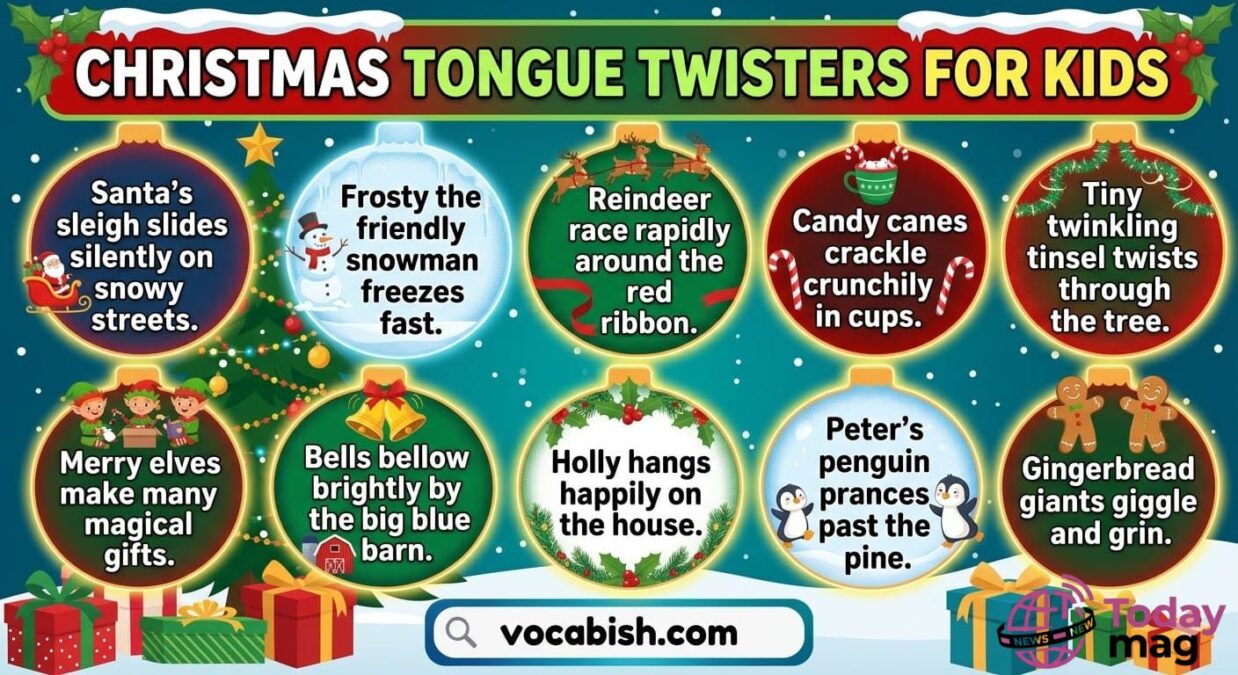
These short, repetitive ones suit little ones just starting out. They use simple sounds and plenty of repetition to build confidence without overwhelming.
- Fuzzy Wuzzy was a bear. Fuzzy Wuzzy had no hair. Fuzzy Wuzzy wasn’t very fuzzy, was he?
- She sells seashells by the seashore.
- I scream, you scream, we all scream for ice cream!
- Peter Piper picked a peck of pickled peppers.
- How can a clam cram in a clean cream can?
- Betty Botter bought some butter, but she said the butter’s bitter.
- Friendly frogs frolic freely by the flowing brook.
- Happy hedgehogs hop hurriedly over the hill.
Practice these slowly at first. Many kids love acting them out pretending to sell seashells or hop like hedgehogs makes the words stick better.
Medium Tongue Twisters for Growing Confidence (Ages 6–9)
Once basics feel comfortable, move to these. They add length and trickier combinations while staying fun.
- Three grey geese in a green field grazing.
- Eleven benevolent elephants.
- Six slippery snails slid slowly seaward.
- Red lorry, yellow lorry.
- Bobby’s big blue balloon bobbed blissfully beyond.
- Grace grabbed a group of green grapes.
- Danny’s dog dances down the dirt road.
- Four furious friends fought for the phone.
These help with blending sounds and maintaining rhythm. Kids often compete to see who can say them fastest without tripping up, turning practice into playtime.
Challenging Tongue Twisters for Older Kids (Ages 9–12)
These push skills further with complex sequences and faster pacing.
- The sixth sick sheikh’s sixth sheep’s sick.
- Pad kid poured curd pulled cod. (A modern classic known for its difficulty)
- Unique New York, unique New York.
- Irish wristwatch, Swiss wristwatch.
- A synonym for cinnamon is a cinnamon synonym.
- Fresh fried fish, fish fresh fried, fried fish fresh.
Encourage older kids to create their own versions. This creative step deepens engagement and ownership of the learning process.
Themed Tongue Twisters to Spark Extra Excitement
Grouping by themes keeps interest high.
Animal-themed:
- Five frantic frogs fled from fifty fierce fishes.
- Two tiny tigers take two taxis to town.
Food-themed:
- Betty bought butter but the butter was bitter.
- Quickly cook kumquat quinoa.
Silly and Giggle-worthy:
- I saw Susie sitting in a shoeshine shop.
- Any noise annoys an oyster, but a noisy noise annoys an oyster more.
Themes connect to a child’s interests, making practice feel personal rather than like homework.
Turning Tongue Twisters into Family Games and Activities
Practice becomes truly memorable when turned into shared adventures. Try a tongue twister relay where family members pass phrases down the line. Or hold mirror challenges kids watch their faces while speaking, noticing how their mouths move.
Recording sessions create instant playback fun and a progress library. One family favorite is the “Silly Voice Battle,” using robot, monster, or whisper voices. Creating original twisters together encourages creativity and language play.
These activities strengthen family bonds while quietly building skills. Many parents report their children volunteering to speak more in group settings after consistent playful practice.
Common Pitfalls and How to Avoid Them
Rushing for speed too early is the biggest mistake. Clarity always comes before pace. Another is expecting perfection focus on effort and improvement instead. If a child shows frustration, switch to an easier twister or take a break. Consistency matters more than intensity.
Watch for signs of fatigue. Short, joyful sessions work far better than forcing longer ones. Every child progresses at their own rhythm, and that’s perfectly okay.
How Often Should Kids Practice?
Daily practice yields the best results, even if just for a few minutes. Many speech professionals suggest three to five sessions per week, mixing easy and harder ones. Track progress by noting which phrases improve over time—this visual growth boosts motivation.
After a month, most kids show noticeable improvements in pronunciation, fluency, and willingness to speak up. The confidence gains often spill over into school presentations and social interactions.
Final Thoughts on the Joy of Tongue Twisters
The best tongue twisters for kids deliver far more than entertainment. They offer a gentle, effective path to clearer speech, stronger confidence, and happier communication. In a world full of screens and structured learning, these simple phrases bring back the pure joy of playing with language.
Start small today. Pick one or two favorites, say them together, and watch the giggles begin. Before long, you’ll see your child standing a little taller, speaking a little clearer, and smiling a lot more. Those small daily moments add up to big growth and plenty of family memories along the way.
What’s your family’s favorite tongue twister? The next time you’re looking for a fun way to boost skills and spirits, reach for these timeless classics. Your kids will thank you with clearer words and brighter confidence.
FAQs
Are tongue twisters good for kids? Yes, tongue twisters are excellent for children. They strengthen mouth muscles, improve pronunciation, and help kids speak more clearly. At the same time, they turn practice into fun, which builds confidence without pressure.
What age should kids start practicing tongue twisters? Most children can begin around age 4 with simple ones. Younger kids do best with short, repetitive phrases, while older children (6–12) can handle longer and faster twisters. Always match the difficulty to their ability.
Can tongue twisters help children who stutter or struggle with speech? They can be very helpful. Many speech therapists use them to improve fluency and reduce hesitation. The playful nature helps kids relax, turn mistakes into laughter, and gradually gain more control over their speech.
How often should kids practice tongue twisters? Short daily sessions of 5–10 minutes work best. Consistency matters more than long sessions. Practicing a few times a week with games and family involvement keeps children motivated and shows steady progress.
How do I make tongue twisters more fun for my child? Turn them into games—use silly voices, mirror practice, family competitions, or record videos to track improvement. Themed twisters (animals, food, or silly ones) also keep kids excited and engaged.
