

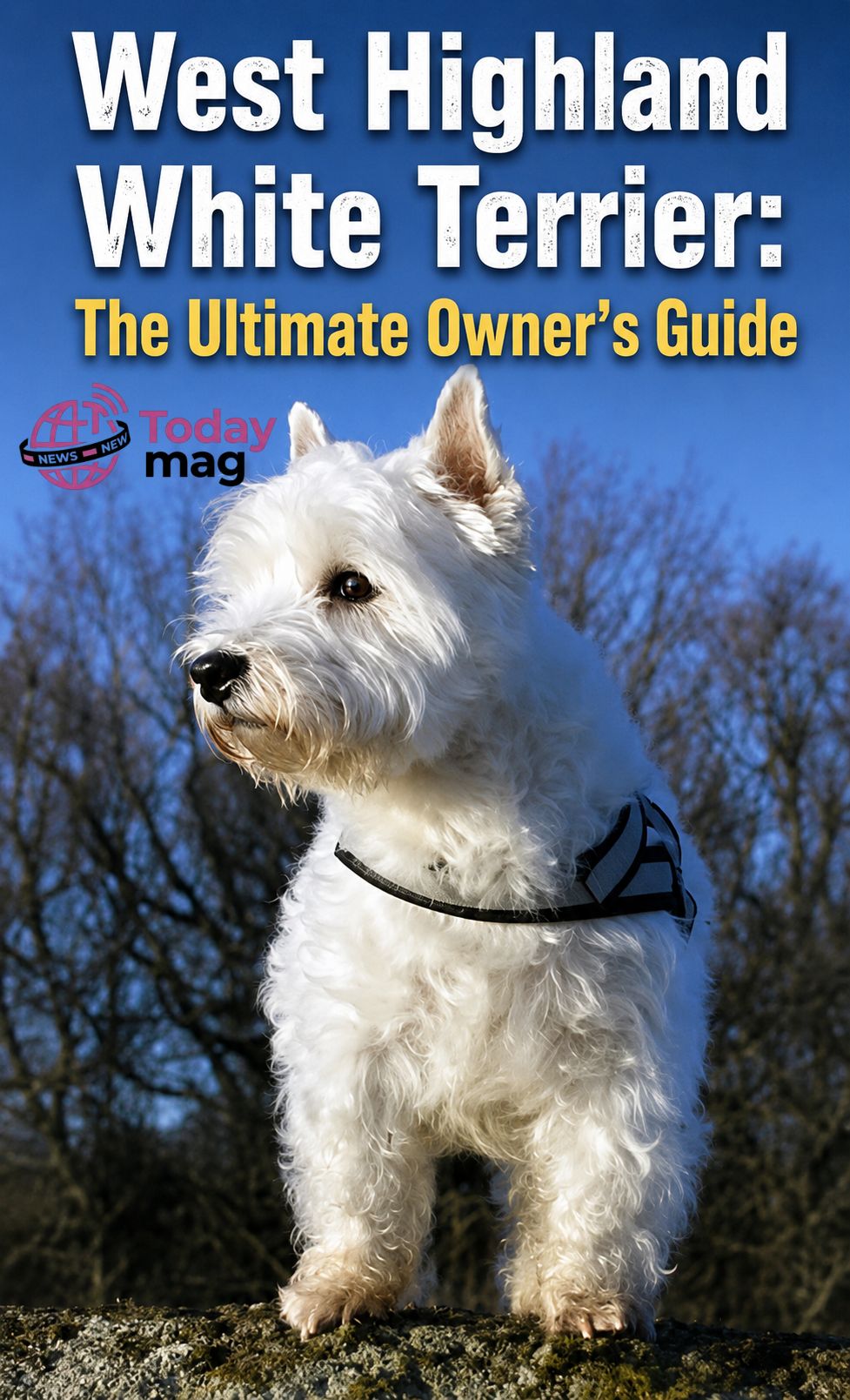
The West Highland White Terrier, often affectionately called the Westie, is one of the most recognizable small dog breeds in the world. With its bright white coat, alert expression, and confident personality, this charming terrier has won the hearts of dog lovers for generations.
Originally bred in Scotland as a working hunting dog, the Westie has successfully transitioned into a beloved family companion. Despite its small size, this breed possesses remarkable courage, intelligence, and determination. Whether you are considering bringing home a Westie puppy or already share your life with one, understanding the breed’s unique characteristics is essential for providing the best care possible.
This comprehensive guide covers everything you need to know about the West Highland White Terrier, from its history and temperament to grooming, training, health, and ownership costs.
Quick Bio
| Label | Information |
|---|---|
| Breed Name | West Highland White Terrier |
| Common Nickname | Westie |
| Breed Type | Small Terrier Dog |
| Origin | Scotland |
| Original Purpose | Hunting and vermin control |
| Size | Small |
| Weight | 15–20 pounds |
| Height | 10–11 inches |
| Coat Type | Double coat |
| Coat Color | Pure white |
| Temperament | Friendly, confident, alert |
| Lifespan | 13–15 years |
| Exercise Needs | Moderate daily activity |
What Is a West Highland White Terrier?
The West Highland White Terrier is a small but sturdy terrier breed developed in Scotland. It belongs to the terrier group and was originally bred to hunt foxes, badgers, rats, and other small animals hiding in rocky terrain. Despite its compact frame, the breed was designed to be fearless and hardworking.
Today, the Westie is known for being an affectionate family companion while still retaining many of the traits that made it an effective hunting dog centuries ago.
Typically standing around 10 to 11 inches tall and weighing between 15 and 20 pounds, the Westie is compact enough for apartment living while remaining energetic enough for active households.
History of the Breed
The history of the West Highland White Terrier begins in the rugged landscapes of Scotland. The breed shares ancestry with other Scottish terriers, including the Cairn Terrier and Scottish Terrier. Early terriers were used by hunters and farmers to control vermin populations and flush small animals from their dens.
According to breed history, the Malcolm family of Poltalloch played a significant role in developing the distinctive white terrier. White dogs were easier to spot during hunts, reducing the risk of accidental shootings. Over time, selective breeding established the breed’s recognizable appearance and temperament.
The West Highland White Terrier made its public debut at dog shows in the early 1900s and quickly gained popularity across the United Kingdom and beyond. Today, it remains one of the most beloved small terrier breeds worldwide.
Physical Appearance
One of the most appealing aspects of the Westie is its distinctive appearance. The breed features a compact, muscular body that reflects its working-dog heritage.
Its most famous characteristic is the pure white double coat. The outer coat is harsh and weather-resistant, while the undercoat remains soft and insulating. This combination helped protect the breed from Scotland’s challenging climate.
The breed has dark, almond-shaped eyes that create an intelligent and curious expression. Small, upright ears and a neatly carried tail contribute to its confident look.
Although small in stature, the Westie carries itself with remarkable confidence and often appears larger than life due to its bold personality.
Temperament and Personality
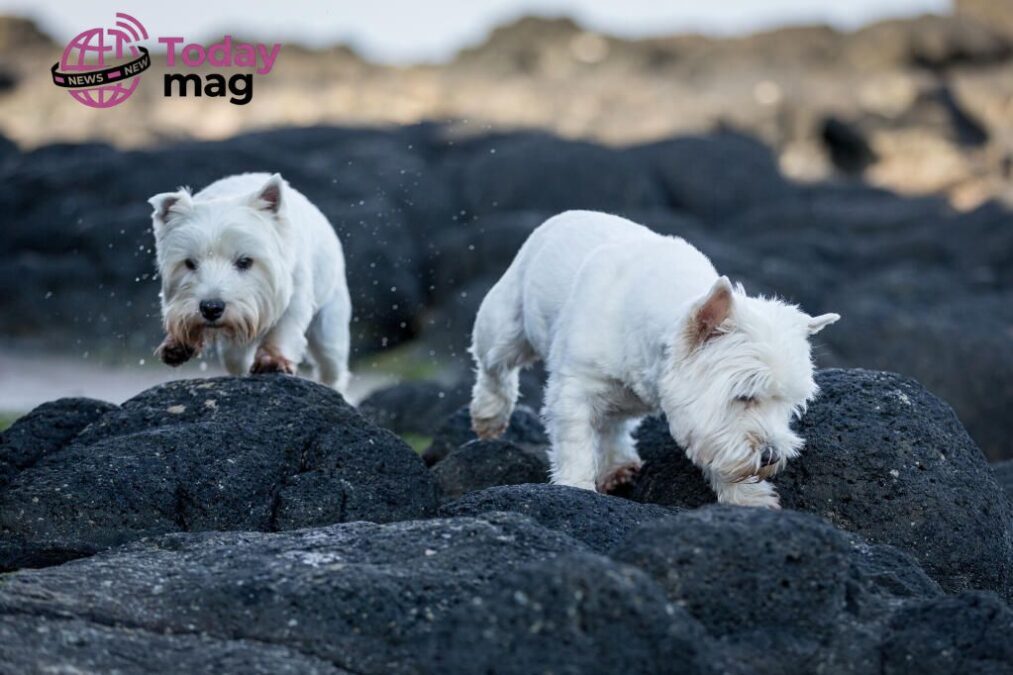
The West Highland White Terrier is often described as cheerful, confident, and spirited. Unlike some toy breeds that prefer constant relaxation, the Westie enjoys being active and involved in family activities.
Westies are naturally curious and love exploring their surroundings. Their terrier instincts make them alert and attentive, often causing them to investigate every sound or movement.
One of the breed’s most admired traits is its confidence. Westies rarely seem intimidated by larger dogs and often approach new experiences with enthusiasm. This self-assured nature makes them entertaining companions but can occasionally result in stubborn behavior.
Most Westies form strong bonds with their families and enjoy spending time with people. They are affectionate without being overly dependent, offering a pleasant balance of companionship and independence.
Is a Westie Right for Your Family?
The West Highland White Terrier adapts well to various living environments. Whether you live in a city apartment or a suburban home with a garden, a Westie can thrive when its physical and mental needs are met.
Families often appreciate the breed’s playful nature. Many Westies enjoy interacting with children, particularly when socialized from a young age. However, as with any dog breed, respectful interactions should always be encouraged.
The breed can coexist with other dogs and cats when introduced properly. However, its hunting instincts may create challenges with smaller pets such as rabbits, hamsters, or guinea pigs.
Prospective owners should be prepared for a dog that enjoys attention, activity, and mental stimulation.
Daily Care Requirements
Owning a West Highland White Terrier involves consistent daily care. Fortunately, their needs are manageable for most dedicated owners.
Westies benefit from a structured routine that includes exercise, training, social interaction, and rest. Consistency helps create a balanced and well-behaved companion.
Because they are intelligent and energetic, they can become bored if left alone for extended periods without stimulation. Mental enrichment through games, puzzles, and interactive activities helps prevent undesirable behaviors.
A healthy routine contributes significantly to a Westie’s overall well-being and happiness.
Feeding and Nutrition
Proper nutrition plays a major role in maintaining a healthy Westie.
A high-quality diet that meets the dog’s age, size, and activity level is essential. Puppies require nutrient-dense food to support growth, while adult dogs benefit from balanced formulas that maintain muscle tone and healthy weight.
Portion control is important because small breeds can gain excess weight if overfed. Fresh water should always be available throughout the day.
Owners should also avoid feeding foods known to be toxic to dogs, including chocolate, grapes, raisins, onions, and excessive amounts of fatty human foods.
Consulting a veterinarian for personalized nutritional guidance is always recommended.
Grooming Needs
The West Highland White Terrier’s beautiful white coat requires regular maintenance.
Brushing several times per week helps prevent tangles and removes loose hair. Although Westies are not heavy shedders compared to many breeds, their coat still requires attention to remain healthy and attractive.
Regular bathing helps maintain the coat’s brightness, though excessive bathing should be avoided because it may irritate the skin.
Routine grooming should also include:
- Nail trimming
- Ear cleaning
- Dental care
- Eye inspections
Professional grooming every few months can help maintain the breed’s traditional appearance.
Training and Socialization
Westies are intelligent dogs that respond well to positive reinforcement training.
Because of their terrier background, they can occasionally display stubborn tendencies. Patience, consistency, and rewards-based methods often produce the best results.
Basic obedience training should begin early. Commands such as sit, stay, come, and leave it provide a strong foundation for good behavior.
Socialization is equally important. Exposing puppies to different people, sounds, environments, and animals helps develop confidence and reduces fear-based behaviors later in life.
Training should remain engaging and enjoyable. Short sessions often work better than long repetitive lessons.
Exercise Requirements
Despite their small size, West Highland White Terriers are active dogs.
Most adults benefit from daily walks combined with opportunities for play and exploration. Many Westies enjoy games that challenge both their bodies and minds.
Activities such as fetch, scent work, obstacle courses, and puzzle toys help satisfy their natural curiosity and energy.
Without sufficient exercise, some Westies may become vocal or develop unwanted habits out of boredom. Regular activity contributes to both physical health and emotional well-being.
Common Health Concerns
The West Highland White Terrier is generally considered a healthy breed with an average lifespan of approximately 13 to 15 years.
Like all purebred dogs, however, it can be prone to certain inherited conditions.
Common concerns may include:
- Skin allergies
- Patellar luxation
- Dental disease
- Craniomandibular osteopathy
- White Shaker Syndrome
- Certain urinary tract conditions
Regular veterinary examinations, preventive care, and responsible breeding practices can help reduce health risks.
Maintaining a healthy weight and providing proper nutrition further support long-term health.
Choosing a Westie Puppy
Finding a healthy puppy starts with selecting a responsible breeder.
Ethical breeders prioritize health testing, temperament, and proper socialization. They are typically willing to answer questions, provide medical records, and allow prospective owners to meet the puppies and parents.
Avoid purchasing puppies from sources that cannot provide health information or demonstrate responsible breeding practices.
Potential owners should observe the puppy’s behavior, energy level, and overall appearance before making a decision.
A healthy Westie puppy should be curious, alert, and eager to interact.
Cost of Ownership
The financial commitment of owning a West Highland White Terrier extends beyond the initial purchase price.
Common expenses include:
- Food
- Veterinary care
- Vaccinations
- Grooming
- Toys
- Training
- Pet insurance
Planning for long-term costs helps ensure that your dog receives proper care throughout its life.
Responsible ownership involves both emotional and financial commitment.
Pros and Cons
Like every breed, the Westie has strengths and challenges.
Pros
- Friendly and affectionate
- Intelligent and trainable
- Compact size
- Adaptable to different homes
- Loyal companion
Cons
- Can be stubborn
- Requires regular grooming
- Strong prey drive
- May bark frequently
- Needs consistent mental stimulation
Understanding these traits helps owners determine whether the breed matches their lifestyle.
Westie Compared With Other Terriers
Compared with breeds such as the Cairn Terrier, Scottish Terrier, and Jack Russell Terrier, the Westie often strikes a balance between companionship and independence.
While all terriers share courage and determination, the Westie is frequently praised for its friendly personality and adaptability. Like its relatives, however, it retains a strong hunting instinct and energetic nature.
Owners looking for a small dog with character often find the Westie an appealing choice.
Frequently Asked Questions
Are West Highland White Terriers good family dogs?
Yes, West Highland White Terriers are known for their friendly and affectionate nature. They usually get along well with families and enjoy being involved in daily activities.
How much exercise does a West Highland White Terrier need?
A Westie typically needs around 30 to 60 minutes of exercise each day. Regular walks and interactive play help keep them healthy and mentally stimulated.
Do West Highland White Terriers shed a lot?
Westies are considered low to moderate shedders. Regular brushing helps control loose hair and keeps their white coat looking clean and healthy.
Are West Highland White Terriers easy to train?
They are intelligent and capable learners, but their independent terrier personality can sometimes make training challenging. Consistent, positive reinforcement works best.
What is the average lifespan of a West Highland White Terrier?
A healthy West Highland White Terrier can live between 13 and 15 years, and many enjoy long, active lives with proper care and regular veterinary checkups.
Final Thoughts
The West Highland White Terrier combines charm, confidence, intelligence, and loyalty in a compact package. Its rich Scottish heritage, distinctive white coat, and lively personality have made it one of the most admired terrier breeds in the world.
While the breed requires regular grooming, training, and exercise, the rewards of ownership are substantial. A well-cared-for Westie becomes a devoted companion that brings energy, laughter, and affection into daily life.
For individuals and families seeking a small dog with a big personality, the West Highland White Terrier remains an outstanding choice and a beloved companion for years to come.
